

Types of Fetal Presentations During Pregnancy

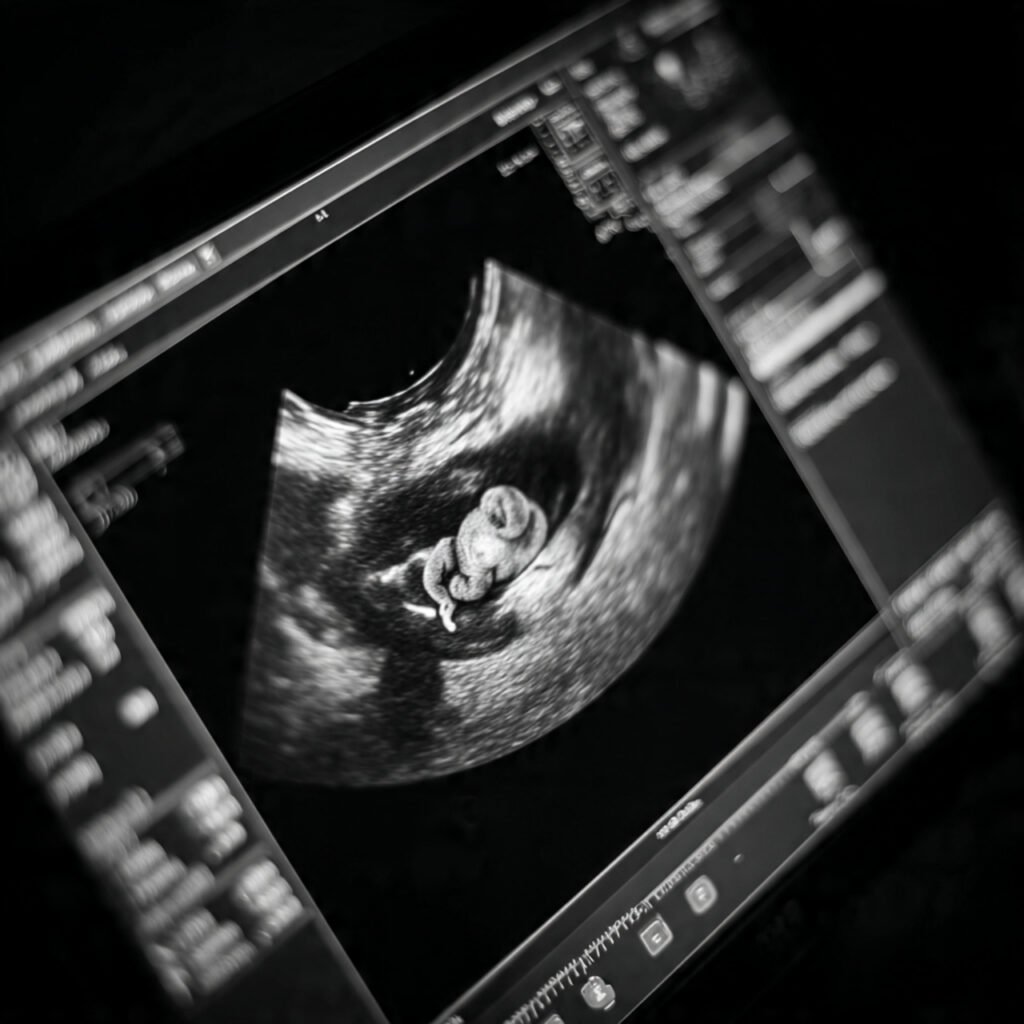
Pregnancy is a journey filled with many changes, check-ups, and important medical evaluations. One key aspect that doctors closely monitor during pregnancy is the fetal presentation — the position of the baby inside the uterus.

At Nisarga Diagnostics, Bengaluru, pregnancy ultrasound scans play a crucial role in identifying fetal presentation and helping doctors plan a safe and smooth delivery.

Watch our Video on : Types of Fetal Presentations During Pregnancy

What Is Fetal Presentation?

Fetal presentation refers to the part of the baby’s body that is positioned closest to the birth canal.
This information becomes especially important in the third trimester, as delivery approaches.

Fetal presentation is usually assessed during:

  • Routine antenatal ultrasound scans

  • Growth scans

  • Third-trimester pregnancy scans

Accurate identification of fetal presentation helps doctors decide whether a normal vaginal delivery is possible or if special care is required.

Why Is Fetal Presentation Important?

Knowing the baby’s position helps:

  • Predict the mode of delivery

  • Reduce complications during labor

  • Plan timely medical interventions if needed

  • Ensure safety for both mother and baby

That is why regular pregnancy scans at a trusted diagnostic center like Nisarga Diagnostics are essential.

Main Types of Fetal Presentations During Pregnancy

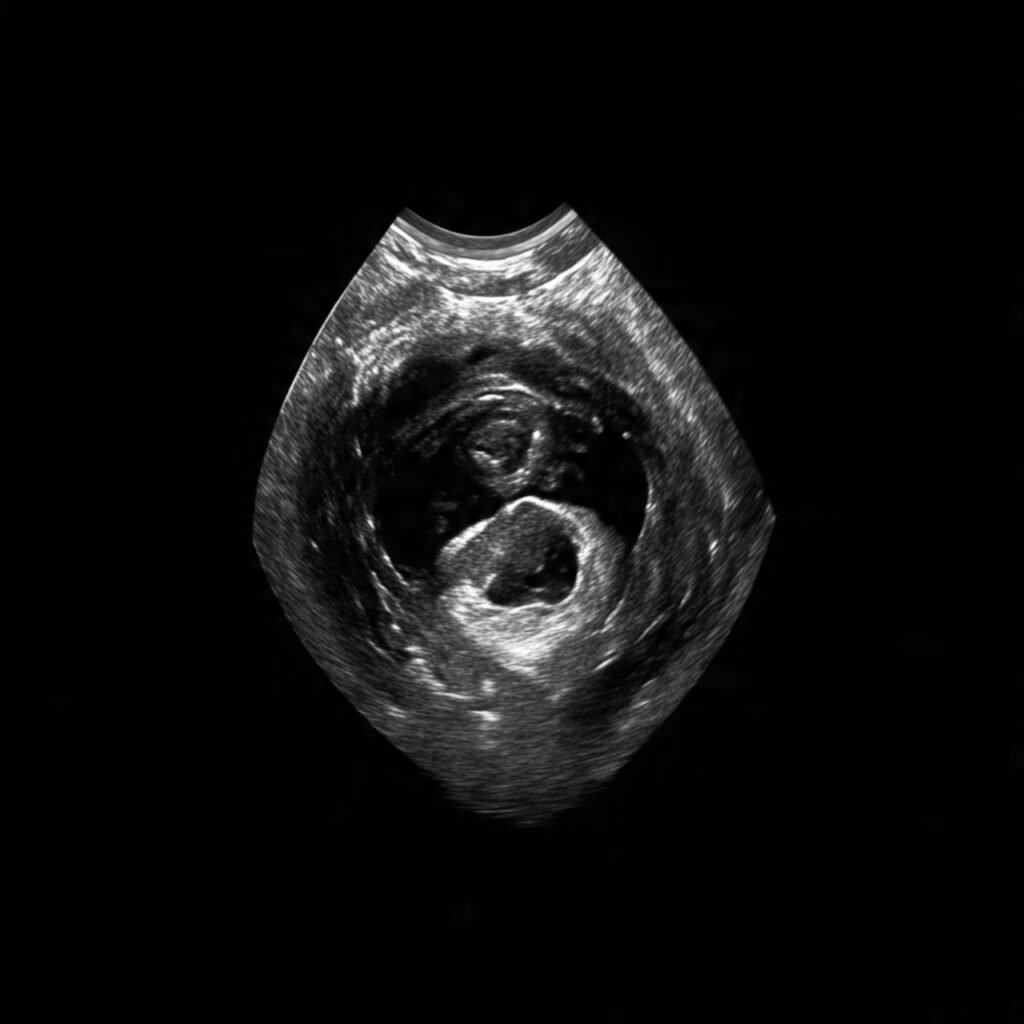
1. Cephalic Presentation (Head-Down Position)

Cephalic presentation is the most common and safest position for childbirth.

Key characteristics:

  • Baby’s head is facing downward

  • Chin is tucked toward the chest

  • Baby’s body is naturally flexed

Why it is ideal:

  • Allows smoother passage through the birth canal

  • Lower risk of complications

  • Suitable for normal vaginal delivery

✔ Seen in nearly 90–95% of full-term pregnancies

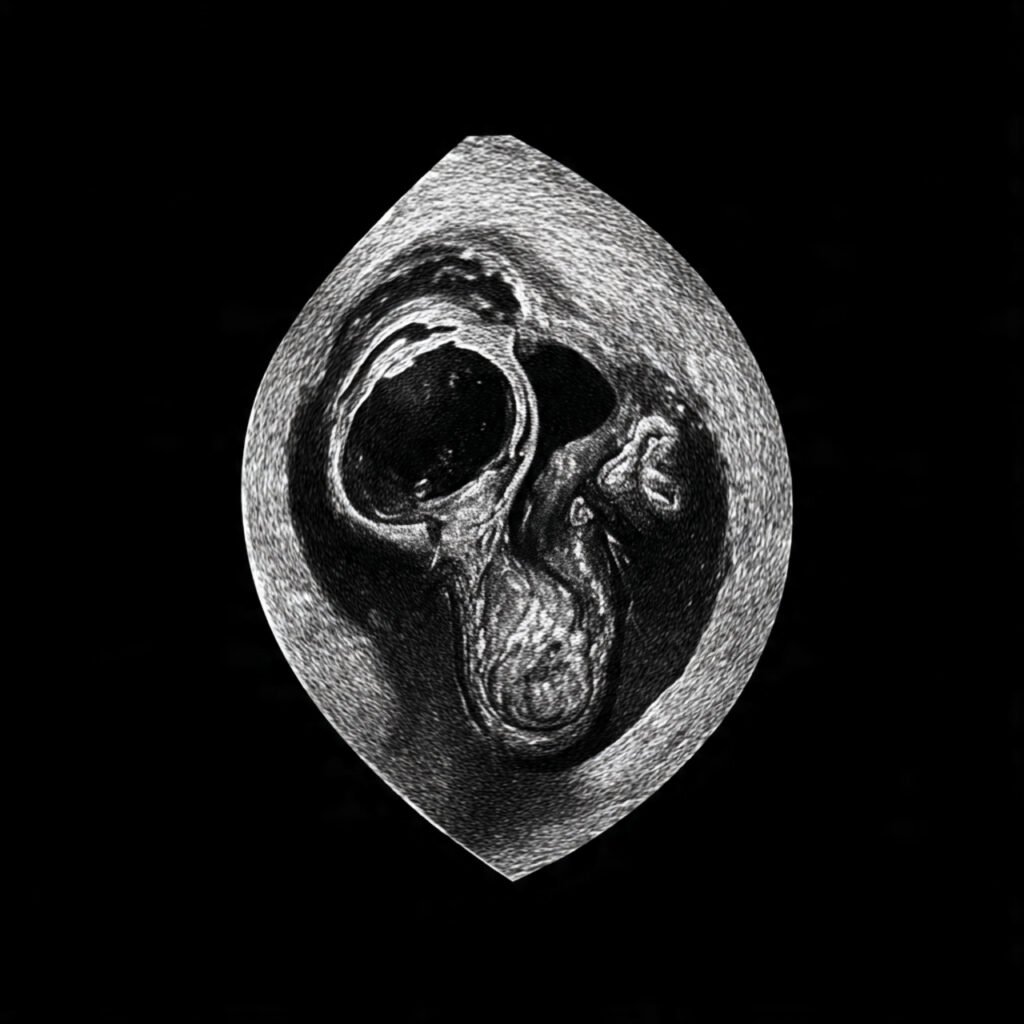
2. Breech Presentation

In breech presentation, the baby’s buttocks or feet are positioned downward instead of the head.

Types of Breech Presentation:

a) Frank Breech

  • Buttocks face the birth canal

  • Legs are extended upward near the head

  • Most common type of breech

b) Complete Breech

  • Buttocks down

  • Knees bent, baby appears in a sitting position

c) Footling Breech

  • One or both feet come first

  • Higher risk during vaginal delivery

d) Clinical significance:

  • Breech position may increase delivery risks

  • Many cases require planned cesarean section


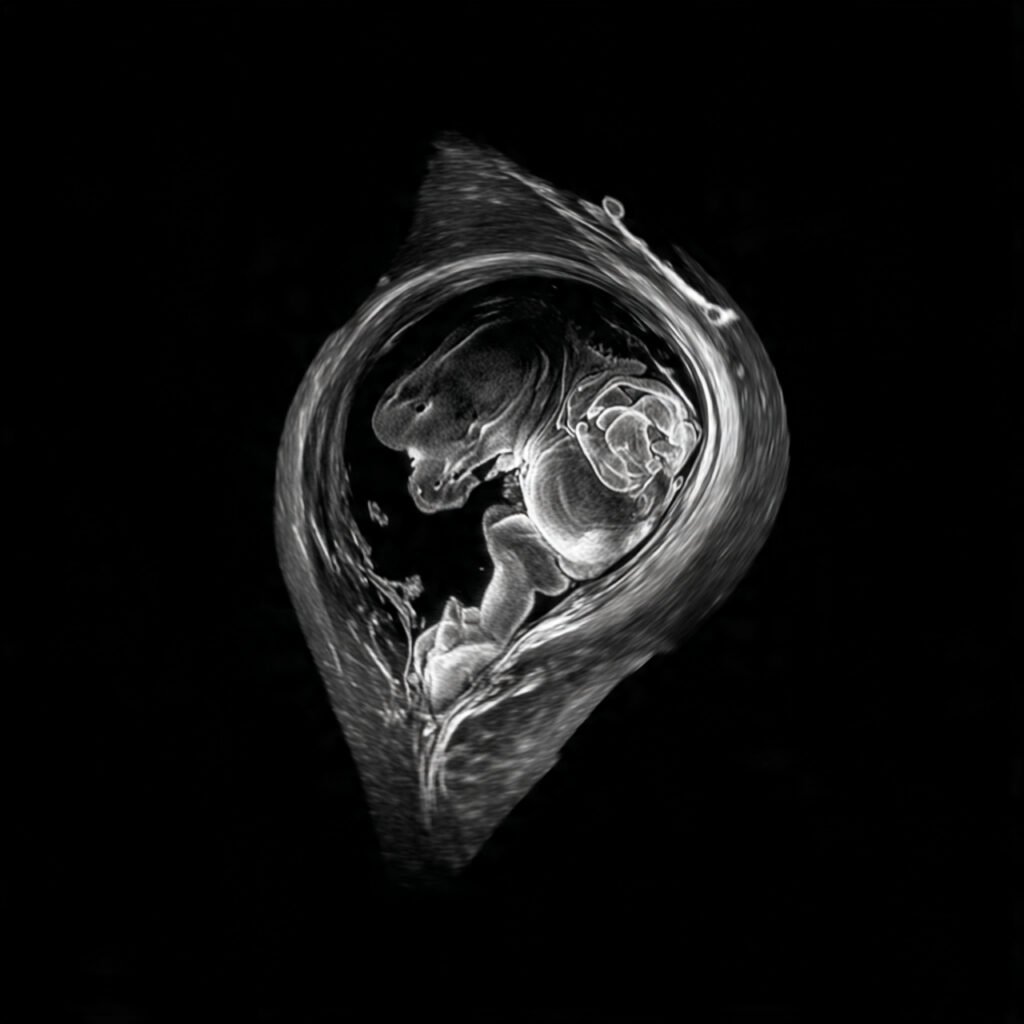
3. Transverse Lie (Sideways Position)

In this position, the baby lies horizontally across the uterus.

Features:

  • Shoulder, arm, or back may present first

  • Common in early pregnancy

  • Abnormal if it continues near delivery

Delivery consideration:

  • Normal delivery is not possible

  • Cesarean section is required for safe delivery

When Is Fetal Presentation Checked?

Fetal presentation is usually evaluated:

  • After 28 weeks of pregnancy

  • More accurately between 32–36 weeks

  • Reconfirmed close to the expected delivery date

At Nisarga Diagnostics, advanced ultrasound technology ensures precise assessment at every stage.

Can the Baby’s Position Change?

Yes.
Until the last few weeks of pregnancy, babies can move freely and change positions. Most babies naturally turn into the head-down position before labor begins.

If the baby does not turn, doctors may:

  • Monitor more frequently

  • Suggest specific exercises

  • Plan the safest delivery method

Conclusion

Fetal presentation is a vital part of pregnancy monitoring. While most babies naturally settle into a head-down position, some may remain in breech or transverse positions, requiring special attention.

With timely and accurate pregnancy scans at Nisarga Diagnostics, Bengaluru, fetal presentation can be identified early, helping doctors plan a safe and confident delivery journey for both mother and baby.

Leave a Comment

Your email address will not be published. Required fields are marked *