

Types of presentation in pregnancy

Types of Presentation in Pregnancy

Pregnancy scan reports often contain medical terms that can sound confusing to expectant parents. One such important term is “presentation”, which refers to the position of the baby inside the uterus, especially in the later months of pregnancy.

Understanding the types of presentation in pregnancy is crucial because the baby’s position plays a major role in planning a safe and smooth delivery. At Nisarga Diagnostics, advanced ultrasound and pregnancy scans help doctors accurately identify fetal presentation and guide mothers with the right medical advice.

In this blog, we will explain the four main types of presentation in pregnancy:

  • Cephalic Presentation
  • Breech Presentation
  • Transverse Presentation
  • Shoulder Presentation

Watch our video on : Types of presentation in pregnancy

What Is Presentation in Pregnancy?

Presentation means the part of the baby that is closest to the birth canal. During early pregnancy, the baby keeps changing positions. However, by the 8th or 9th month, the baby usually settles into a fixed position.

A pregnancy scan performed during the third trimester clearly identifies the baby’s presentation, helping doctors assess:

  • Mode of delivery

  • Risk factors

  • Need for special monitoring or intervention

1️⃣ Cephalic Presentation (Head-Down Position)

Cephalic presentation is the most common and safest type of presentation in pregnancy.

🔹 What is Cephalic Presentation?

In this position, the baby’s head is down, facing the birth canal, with the chin tucked toward the chest.

🔹 Why Is It Ideal?

  • Best position for normal vaginal delivery
  • Least complications during labor
  • Natural alignment with the birth canal

🔹 Types of Cephalic Presentation

  • Vertex (most ideal – head well-flexed)
  • Occiput anterior
  • Occiput posterior (may cause longer labor but still manageable)

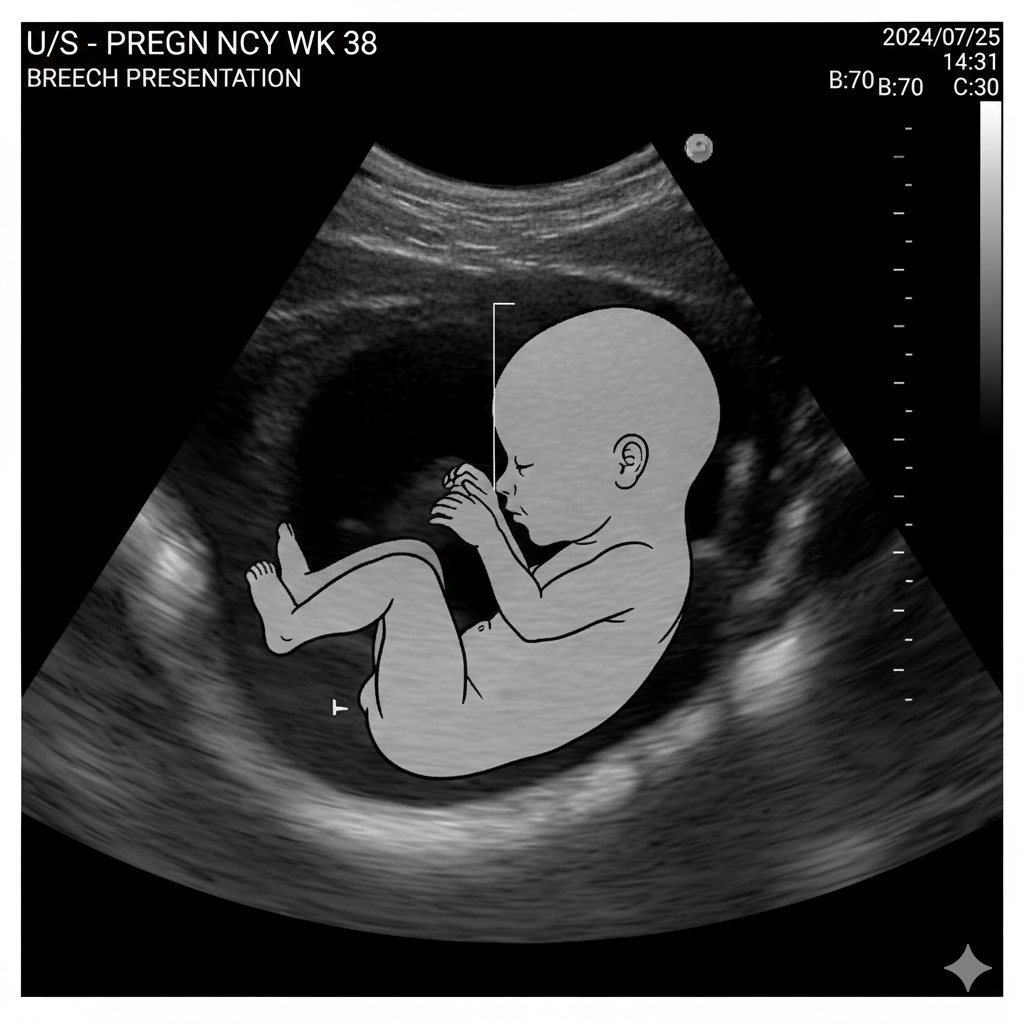
2️⃣ Breech Presentation

Types of presentation in pregnancy

Breech presentation occurs when the baby’s buttocks or feet are positioned downward instead of the head.

🔹 Types of Breech Presentation

  • Frank breech – buttocks down, legs up
  • Complete breech – buttocks down, knees bent
  • Footling breech – one or both feet down

🔹 Why Is Breech a Concern?

  • Increased risk during vaginal delivery
  • Higher chances of cord prolapse
  • Often leads to planned cesarean delivery

🔹 Can Breech Position Change?

Yes. Until around 34–36 weeks, the baby may still turn. Regular pregnancy scans at Nisarga Diagnostics help track this movement and guide timely decisions.

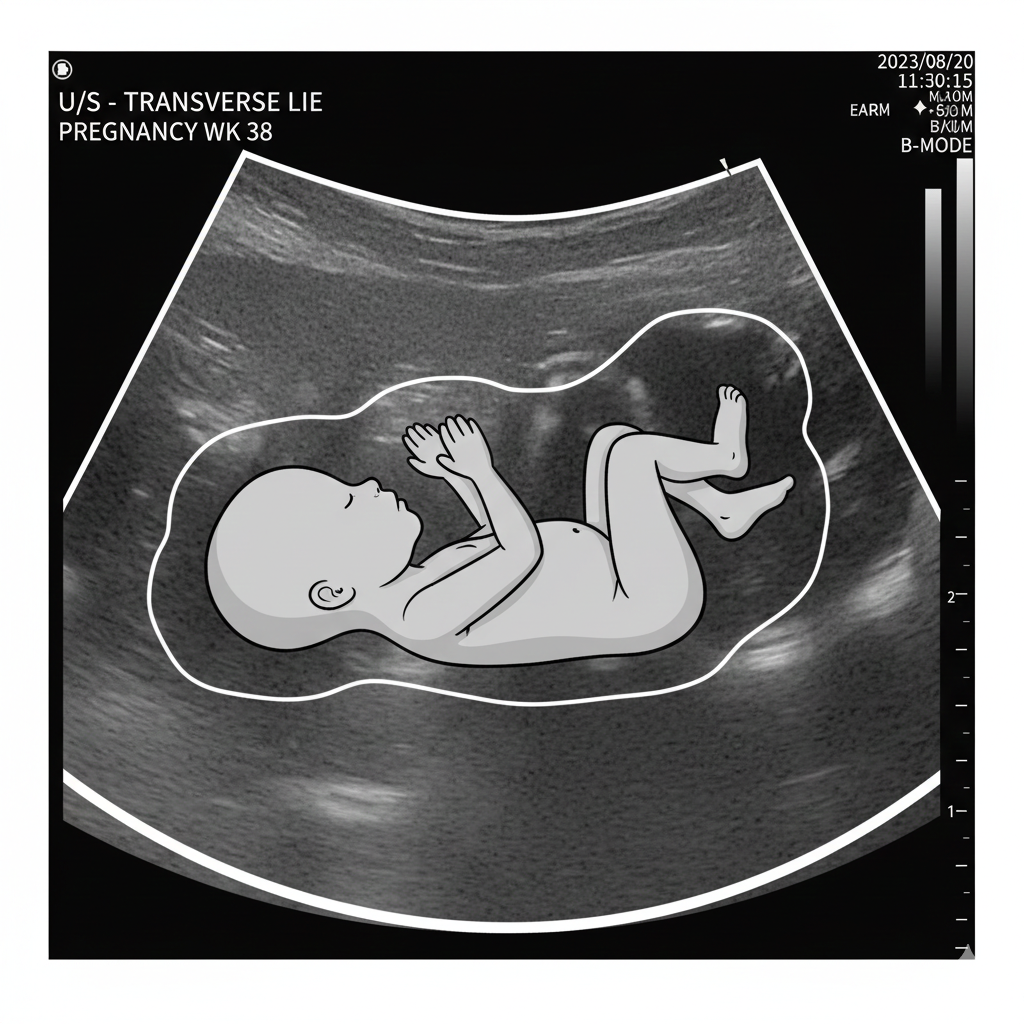
3️⃣ Transverse Presentation

Types of presentation in pregnancy

Transverse presentation means the baby is lying horizontally across the uterus.

🔹 What Happens in Transverse Lie?

  • Baby’s head is on one side of the abdomen
  • Baby’s shoulder or back faces the birth canal
  • Vaginal delivery is not possible

🔹 Causes of Transverse Presentation

  • Placenta previa
  • Excess amniotic fluid
  • Uterine abnormalities
  • Multiple pregnancies

🔹 Management

If the baby does not turn naturally, a cesarean section is required. Early detection through ultrasound scans ensures safe planning.

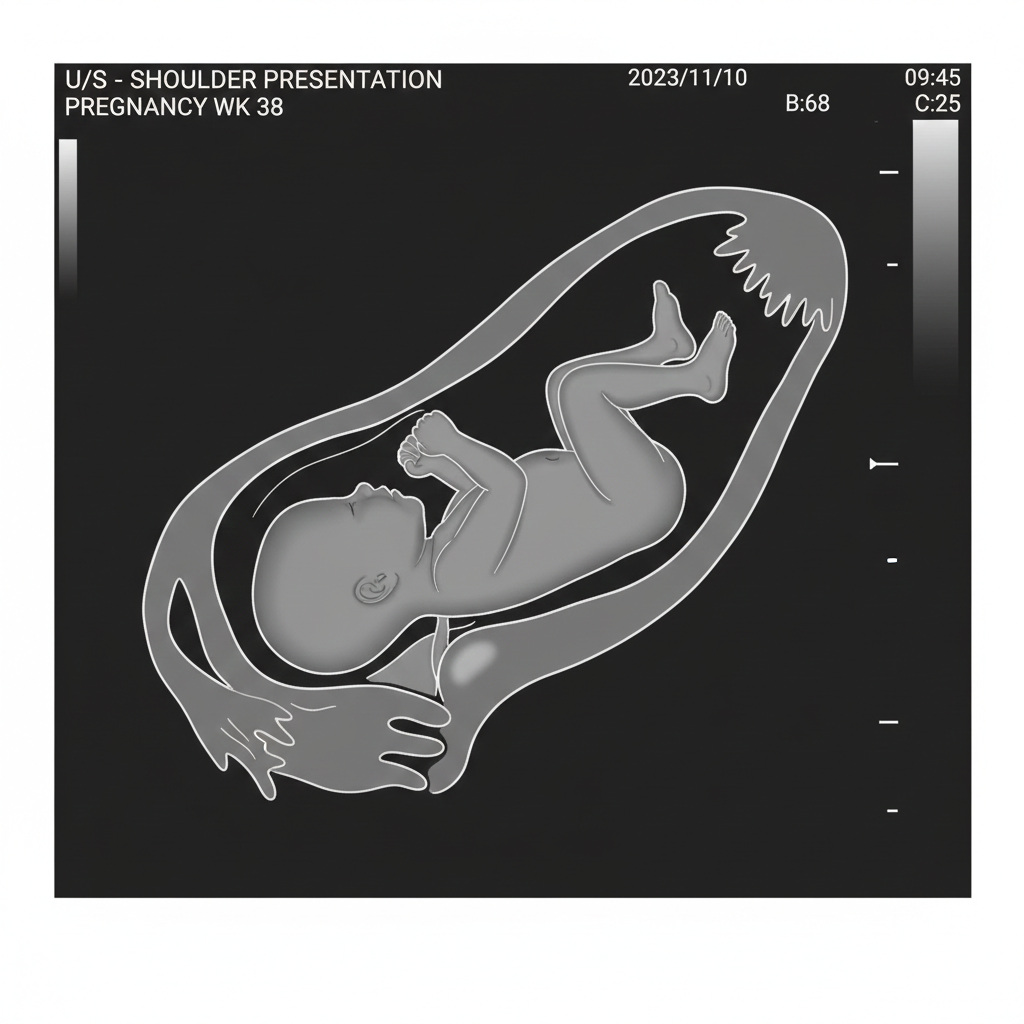
4️⃣ Shoulder Presentation

Types of presentation in pregnancy

Shoulder presentation is a type of abnormal presentation where the shoulder enters the birth canal first.

🔹 Why Is Shoulder Presentation Risky?

  • Delivery cannot progress normally
  • High risk of uterine rupture if labor continues
  • Emergency medical intervention may be required

This condition is often detected during late pregnancy scans or labor assessments, highlighting the importance of regular antenatal scanning.

Why Pregnancy Scans Are Crucial for Detecting Presentation

A routine third-trimester ultrasound scan plays a vital role in:

  • Identifying the type of presentation in pregnancy
  • Monitoring fetal growth and movement
  • Assessing amniotic fluid levels
  • Planning the safest delivery method

At Nisarga Diagnostics, pregnancy scans are performed using advanced imaging technology, ensuring accurate results and clear explanations for expectant parents.

Can Baby’s Presentation Change Late in Pregnancy?

Yes, some babies change position even in the last few weeks. However:

  • Cephalic presentation after 36 weeks usually remains stable
  • Breech or transverse presentations require close monitoring
  • Doctors may recommend external cephalic version (ECV) in select cases

Regular scans help track these changes safely and effectively.

When Should You Consult Your Doctor?

You should consult your obstetrician immediately if:

  • Your scan shows breech, transverse, or shoulder presentation
  • You feel reduced fetal movements
  • You have pain or unusual discomfort in late pregnancy

Early diagnosis leads to better outcomes for both mother and baby.

Conclusion

Understanding the types of presentation in pregnancy—cephalic, breech, transverse, and shoulder—helps expectant mothers feel informed and confident as delivery approaches. While cephalic presentation is ideal, other positions require expert monitoring and timely medical decisions.

At Nisarga Diagnostics, comprehensive pregnancy scans provide accurate insights into fetal presentation, supporting doctors in planning the safest possible delivery.

📍 Early detection + expert guidance = healthy mother & baby

Leave a Comment

Your email address will not be published. Required fields are marked *