
Does eating chocolate cause chocolate cyst

Chocolate Cyst Myth: Does Eating Chocolate Cause It?

Many women come across the term “chocolate cyst” and naturally assume it has something to do with eating chocolate. This creates confusion, fear, and sometimes unnecessary dietary restrictions.

Let’s clear this myth in a simple and medically accurate way—especially from a diagnostic point of view, as followed at Nisarga Diagnostics.

Watch our video on : Chocolate Cyst Myth

What Is a Chocolate Cyst?

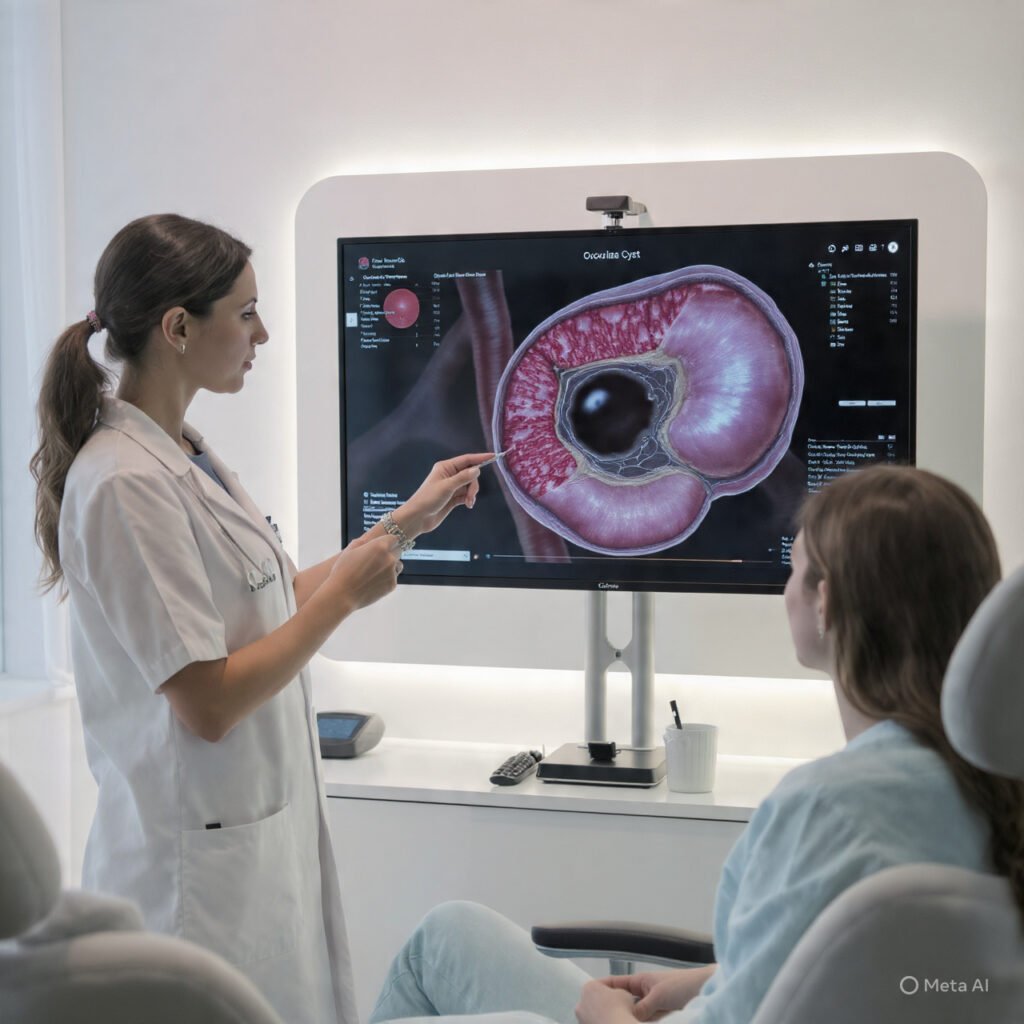
A chocolate cyst is actually a medical condition known as an ovarian endometrioma. It is associated with a condition called endometriosis.

👉 These cysts are filled with:

  • Old, dark blood
  • Thick fluid that looks like melted chocolate

✔️ That’s why it is called a “chocolate cyst”
❌ It has nothing to do with eating chocolate

Does Eating Chocolate Cause Chocolate Cyst?

Let’s answer this clearly:

NO — eating chocolate does NOT cause a chocolate cyst

There is:

  • No scientific evidence
  • No medical link
  • No dietary cause related to chocolate

👉 The name is purely based on the appearance of the cyst, not your food habits.

What Actually Causes a Chocolate Cyst?

Chocolate cysts are linked to endometriosis, a condition where tissue similar to the uterine lining grows outside the uterus.

Common causes and risk factors include:

  • Hormonal imbalance (especially estrogen dominance)
  • Retrograde menstruation (backflow of menstrual blood)
  • Genetic predisposition
  • Immune system issues

👉 Over time, this trapped blood collects and forms a cyst in the ovary.

Symptoms You Should Not Ignore

Many women ignore early signs thinking it’s just “normal period pain.” But chocolate cyst symptoms can be more intense.

⚠️ Watch out for:

  • Severe menstrual cramps
  • Chronic pelvic pain
  • Pain during intercourse
  • Heavy or irregular periods
  • Difficulty getting pregnant

💡 Early identification through proper diagnostics can prevent complications.

How Is Chocolate Cyst Diagnosed?

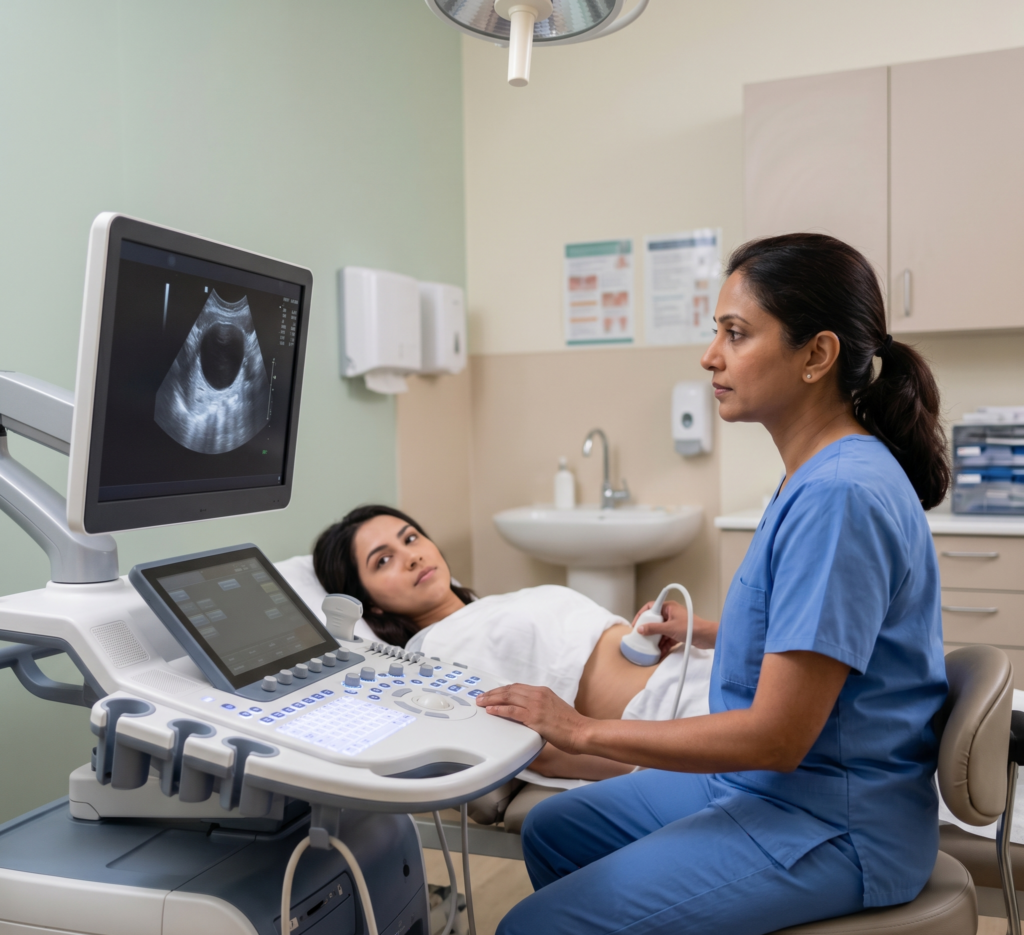
At advanced centers like Nisarga Diagnostics, diagnosis is accurate and non-invasive.

Common diagnostic methods:

  • Ultrasound scan (primary tool)
  • Pelvic scan for detailed imaging
  • MRI (in complex cases)

👉 Imaging helps doctors:

  • Identify cyst size
  • Differentiate from other ovarian cysts
  • Plan appropriate treatment

Why Early Diagnosis Matters

Ignoring symptoms can lead to complications such as:

❗ Increased cyst size
❗ Severe pain affecting daily life
❗ Fertility issues
❗ Need for surgical intervention

✅ Early diagnosis = Better treatment options
✅ Less invasive management
✅ Improved fertility outcomes

Can Chocolate Cyst Affect Fertility?

Yes, in some cases.

Chocolate cysts may:

  • Affect ovulation
  • Damage ovarian tissue
  • Reduce egg quality

But the good news is 👇
💡 With timely diagnosis and proper care, many women can still conceive successfully.

Should You Avoid Chocolate?

❌ No need to stop eating chocolate because of this condition

✔️ Instead, focus on:

  • Balanced diet
  • Regular health check-ups
  • Timely scans if symptoms are present

Final Takeaway

The term “chocolate cyst” may sound confusing, but it’s simply a medical name based on appearance—not your diet.

✔️ Eating chocolate does NOT cause it
✔️ It is linked to endometriosis
✔️ Early diagnosis is key to effective management

Conclusion

Health myths can create unnecessary fear, especially when they are linked to everyday habits like eating chocolate.

At Nisarga Diagnostics, the focus is on accurate diagnosis, patient awareness, and early detection.

💖 Stay informed, listen to your body, and never ignore symptoms.

Leave a Comment

Your email address will not be published. Required fields are marked *