


Who Has More Infertility Problems – Men or Women?
One of the most common questions couples ask when they struggle to conceive is:
“Is infertility more common in women or men?”
Many people automatically assume that infertility is mainly a woman’s problem. However, medical research shows that both men and women contribute almost equally to infertility cases.
In fact, infertility can result from problems in the male partner, the female partner, both partners, or sometimes no specific cause can be identified despite thorough testing.
Understanding the causes of infertility in both men and women is the first step toward finding the right treatment and achieving a successful pregnancy.
Watch our video on : Who Has More Infertility Problems – Men or Women?
Is Infertility More Common in Men or Women?
According to fertility specialists:
About 30–40% of infertility cases are related primarily to female factors.
About 30–40% of infertility cases are related primarily to male factors.
Around 20–30% involve both partners.
A small percentage remains unexplained infertility.
This means infertility is not just a female issue or a male issue—it is a couple’s issue.
That is why fertility evaluation should ideally involve both partners from the beginning rather than testing only the woman.
Common Causes of Female Infertility
Women may face fertility challenges due to problems affecting ovulation, fallopian tubes, uterus, or hormonal balance.
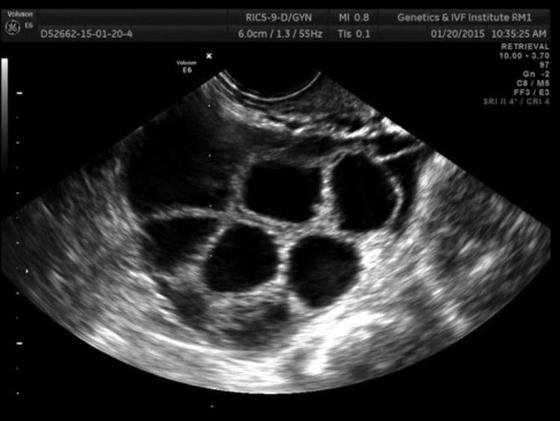
1. Polycystic Ovary Syndrome (PCOS)
PCOS is one of the most common causes of infertility.
Women with PCOS may experience:
- Irregular periods
- Delayed ovulation
- Weight gain
- Excess facial hair
- Difficulty conceiving
When ovulation does not occur regularly, pregnancy becomes more difficult.
2. Blocked Fallopian Tubes
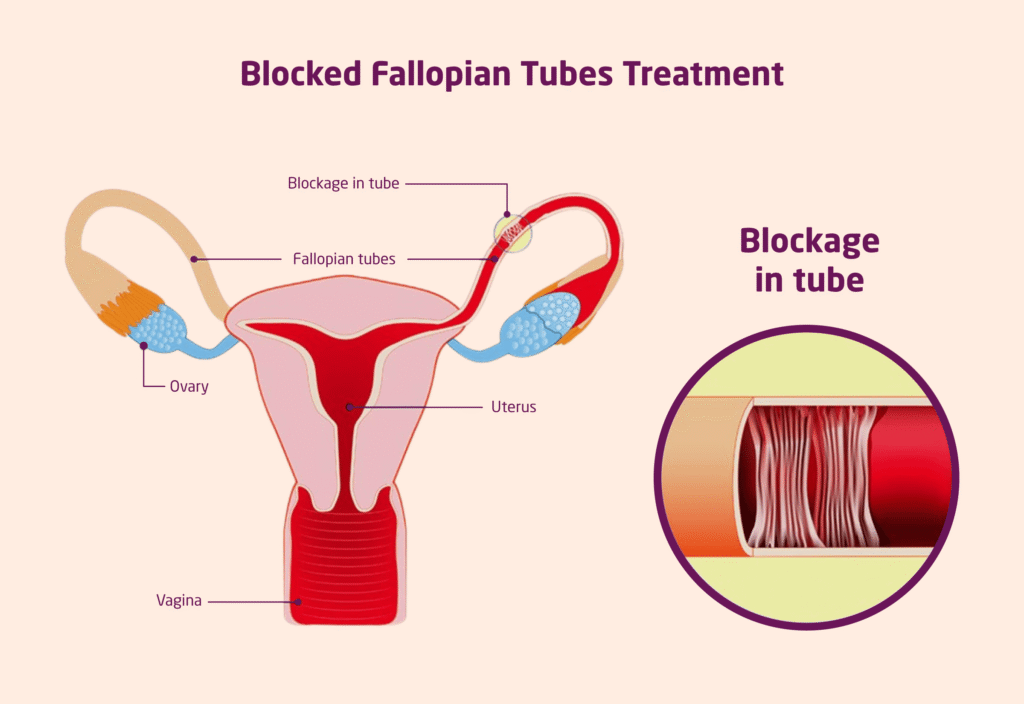
The fallopian tubes carry the egg from the ovary to the uterus.
When tubes are blocked due to:
- Previous infections
- Pelvic inflammatory disease
- Tuberculosis
- Endometriosis
- Prior surgery
the sperm and egg cannot meet naturally.
3. Endometriosis
Endometriosis occurs when tissue similar to the uterine lining grows outside the uterus.
It can lead to:
- Pelvic pain
- Painful periods
- Ovarian cysts
- Reduced fertility
4. Uterine Abnormalities
Certain conditions inside the uterus can affect implantation.
Examples include:
- Fibroids
- Polyps
- Congenital uterine abnormalities
- Scar tissue inside the uterus
These conditions may reduce the chances of successful pregnancy.
5. Age-Related Decline in Fertility
Female fertility naturally declines with age.
After age 35:
- Egg quantity decreases
- Egg quality decreases
- Risk of miscarriage increases
This is one of the most important fertility factors in women.
Common Causes of Male Infertility
Many couples are surprised to learn that male factors contribute to infertility almost as often as female factors.
1. Low Sperm Count
A reduced number of sperm lowers the chance of fertilization.
Causes may include:
- Hormonal disorders
- Genetic conditions
- Infections
- Lifestyle factors
2. Poor Sperm Motility
Even if sperm count is normal, sperm must swim effectively to reach the egg.
Poor sperm movement can significantly reduce fertility.
3. Abnormal Sperm Shape
Abnormal sperm morphology may affect the sperm’s ability to fertilize an egg successfully.
4. Varicocele
Varicocele is an enlargement of veins around the testicles.
It may:
- Increase testicular temperature
- Reduce sperm production
- Affect sperm quality
It is one of the most common treatable causes of male infertility.
5. Lifestyle Factors
Modern lifestyle habits can negatively impact male fertility.
Risk factors include:
- Smoking
- Excess alcohol consumption
- Obesity
- Chronic stress
- Poor sleep
- Drug use
- Exposure to heat and toxins
Can Infertility Occur Even If Both Partners Seem Healthy?
When Should a Couple Seek Fertility Testing?
Couples should consider fertility evaluation if:
Woman Below 35 Years
Pregnancy has not occurred after:
12 months of regular unprotected intercourse
Woman Above 35 Years
Evaluation should begin after:
6 months of trying to conceive
Immediate evaluation is recommended if there is:
- Irregular periods
- Known PCOS
- Endometriosis
- Previous pelvic infection
- Recurrent miscarriage
- Erectile dysfunction
- History of testicular problems
Important Diagnostic Tests for Infertility
Early diagnosis can significantly improve treatment outcomes.
Common fertility investigations include:
For Women
- Pelvic ultrasound scan
- Follicular monitoring scan
- AMH test
- Hormonal profile
- Thyroid function tests
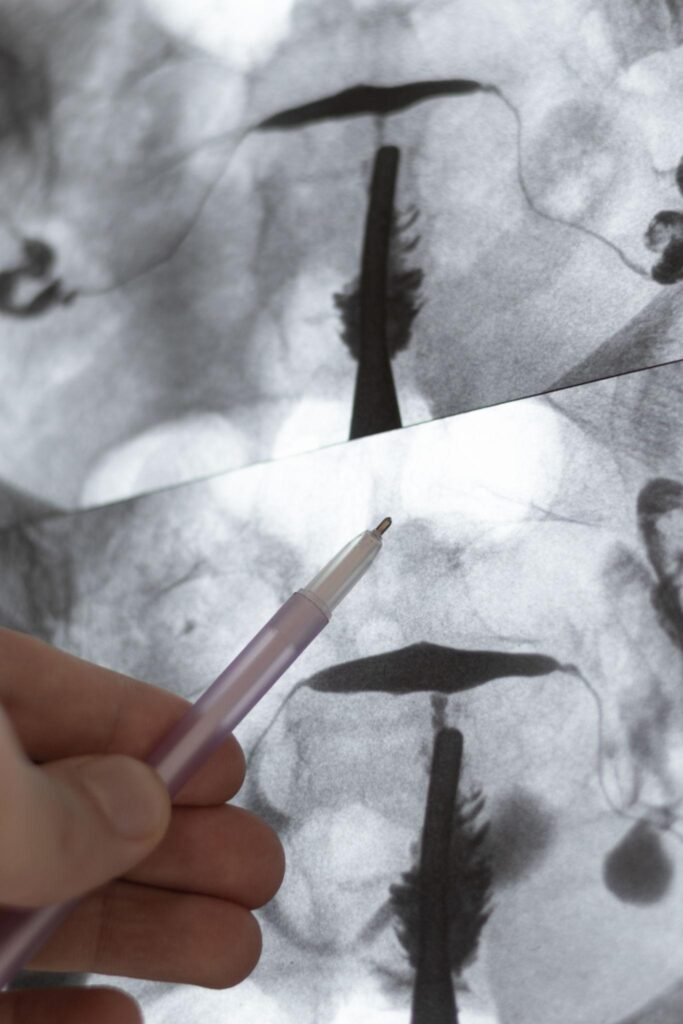
- HSG (Fallopian Tube Test)
- Hysteroscopy
- Diagnostic laparoscopy
For Men
- Semen analysis
- Hormonal testing
- Scrotal ultrasound
- Genetic testing (when required)
Can Infertility Be Treated?
Yes.
Many infertility problems can be successfully treated through:
- Lifestyle Modification
- Weight management
- Healthy diet
- Exercise
- Smoking cessation
- Stress reduction
- Medical Treatment
- Ovulation-inducing medications
- Hormonal therapy
- Treatment of infections
- Surgical Treatment
- Fibroid removal
- Endometriosis treatment
- Varicocele correction
- Tubal surgery
- Assisted Reproductive Techniques
Depending on the cause, fertility specialists may recommend:
- IUI (Intrauterine Insemination)
- IVF (In Vitro Fertilization)
- ICSI (Intracytoplasmic Sperm Injection)
- Fertility preservation procedures
Conclusion
So, who has more infertility problems—men or women?
The truth is that infertility affects both men and women almost equally.
Approximately one-third of infertility cases are related to female factors, one-third to male factors, and the remaining cases involve both partners or unexplained causes.
Rather than assuming infertility is caused by one partner, couples should undergo a comprehensive fertility evaluation together. Early diagnosis through fertility testing, ultrasound scans, hormonal investigations, and semen analysis can help identify the underlying cause and improve the chances of achieving a healthy pregnancy.

Founder of Nisarga Diagnostics, is a renowned fetal ultrasound specialist with over 20 years of expertise. An alumnus of Government Medical Colleges in Mysore and Bangalore, he also holds a D.N.B. from the National Board of Examinations, Delhi, and certification from the Fetal Medicine Foundation, London. A former Professor and HOD, he has trained countless PG students and junior radiologists, shaping the future of fetal imaging in India.