
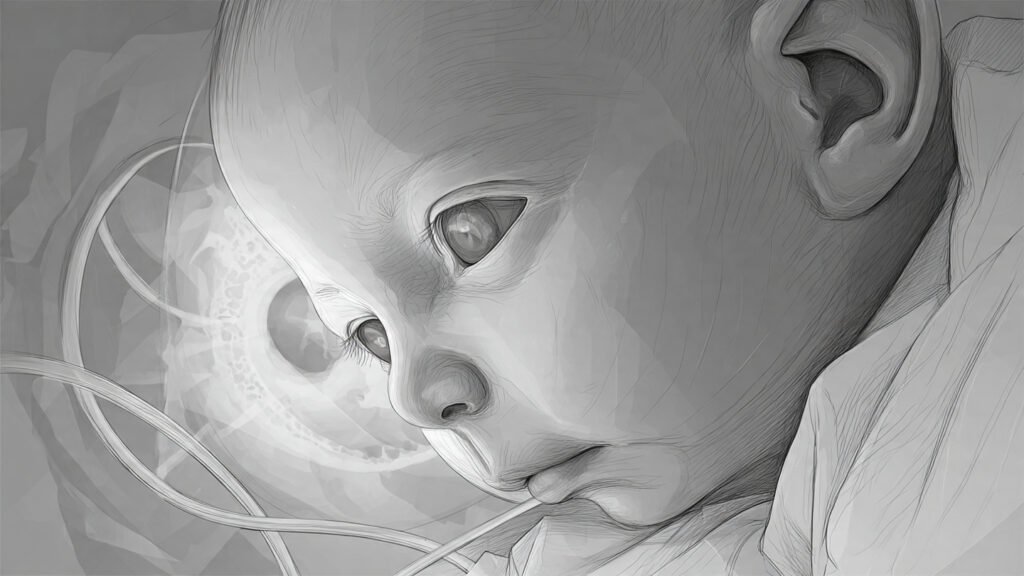
Can a Cataract Happen in a Baby’s Eyes Inside the Womb?

A cataract is usually considered an age-related condition that affects older adults. But many parents are surprised to learn that cataracts can also occur in newborn babies — and in rare cases, even before birth, inside the mother’s womb.

This type of cataract is called Congenital Cataract.

At Nisarga Diagnostics, one of the trusted scan centers in Bangalore, we see many parents who come with questions like:

  • “Is it possible for a baby to get cataract before birth?”

  • “What causes cataracts in unborn babies?”

  • “Can it affect vision later?”

  • “Which scan can detect it?”

This blog explains everything in simple, clear, parent-friendly language, with insights from our radiologists who regularly perform pregnancy scans, Doppler studies, anomaly scans, and growth scans.

Watch our Video on : Can a Cataract Happen in a Baby’s Eyes Inside the Womb?​

⭐ What Is a Congenital Cataract?

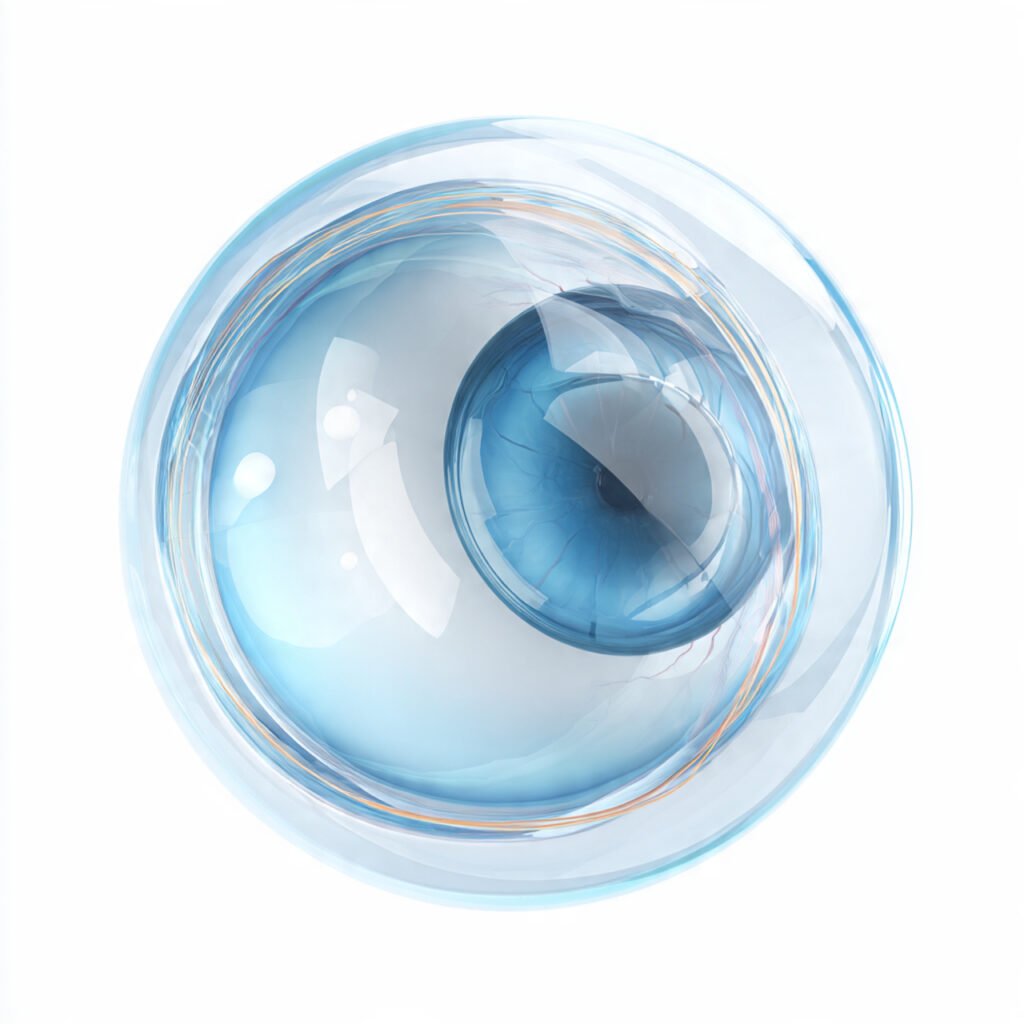
A congenital cataract is a clouding of the eye lens that develops either:

  • During pregnancy (inside the womb)

  • Or immediately after birth

The eye lens must be transparent for light to enter and form clear images. If a cataract forms early in life, it can obstruct vision development.

This is why timely diagnosis and early treatment are extremely important.

⭐ Can a Baby Actually Develop Cataract Inside the Womb?

Yes.
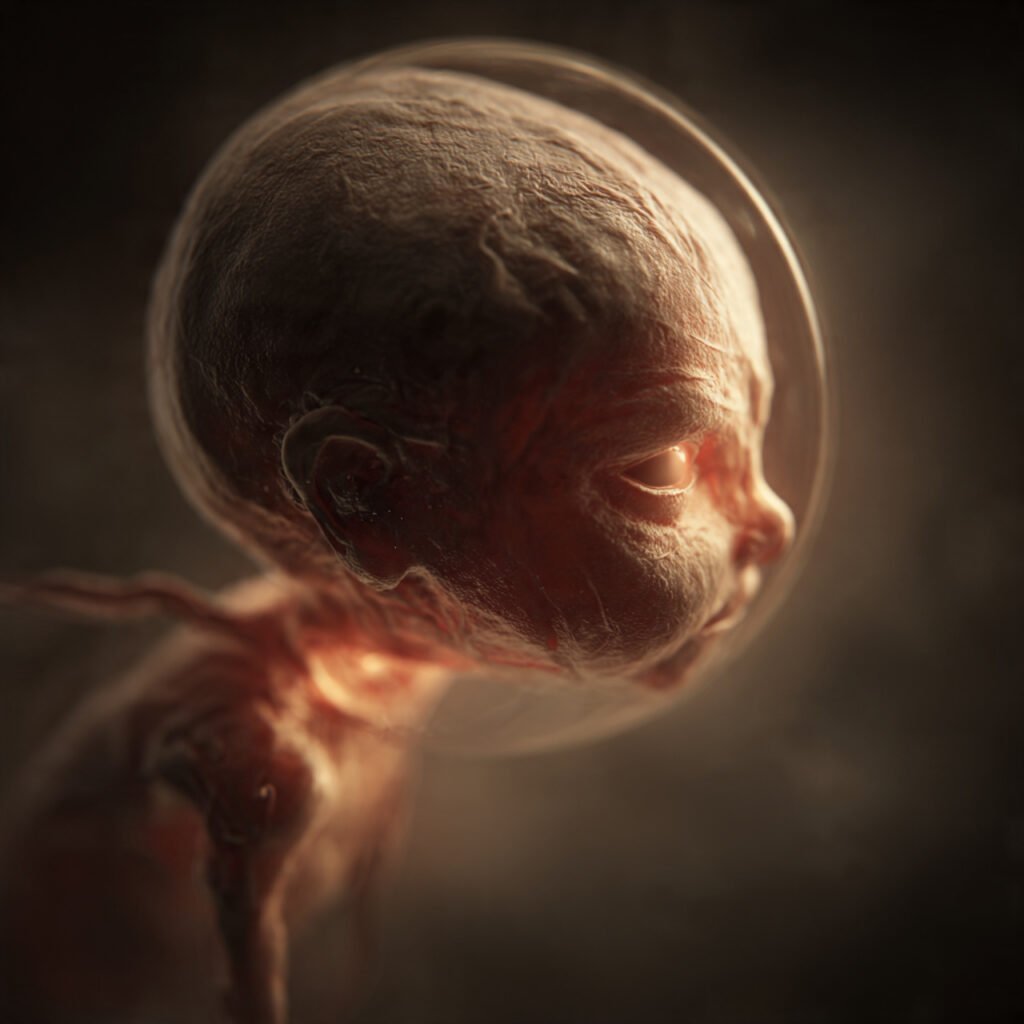
Although rare, cataract can develop when the baby is still inside the mother’s uterus.

This happens due to:

  • Genetic conditions

  • Developmental problems in the lens

  • Metabolic disorders

  • Maternal infections during pregnancy

Because the baby’s eyes start forming early in pregnancy, even slight disturbances in eye development can lead to cataract formation.

⭐ How Common Is Congenital Cataract?

Congenital cataracts are rare, affecting:

🔹 About 1 to 6 babies per 10,000 births
🔹 Only a small percentage form during pregnancy itself

Even though it is uncommon, missing it can lead to permanent vision issues such as amblyopia (lazy eye).

Hence early detection is essential — which is why pregnant women undergo detailed scans at a trusted pregnancy scan center in Bangalore like Nisarga Diagnostics.

⭐ Why Does Cataract Happen in the Womb? (Common Causes Explained)

Many reasons can interfere with lens formation during fetal development.

Here are the major causes:

1️⃣ Genetic or Hereditary Reasons

The most common reason.
If cataracts run in the family, the baby may inherit the tendency.

Gene mutations can prevent the lens from remaining transparent, making it cloudy.


2️⃣ Maternal Infections During Pregnancy

Certain infections can affect the developing fetus and the eyes:

  • Rubella (German measles)

  • Cytomegalovirus (CMV)

  • Toxoplasmosis

  • Varicella (Chickenpox)

Rubella infection in early pregnancy is the leading cause worldwide.

This is why screening blood tests and early pregnancy scans at a reputed diagnostic center are so important.


3️⃣ Metabolic or Genetic Disorders in the Baby

Conditions such as:

  • Galactosemia

  • Down syndrome

  • Lowe syndrome

may cause cataracts to develop even before birth.


4️⃣ Problems During Eye Development

The lens forms between 4–7 weeks of pregnancy.
If development is interrupted due to:

  • nutritional deficiencies

  • blood flow issues

  • developmental abnormalities

cataracts may appear.

This is where anomaly scans and Doppler scanning done at a Doppler scanning center in Bangalore help identify fetal structure issues early.


5️⃣ Unknown Causes

In nearly 30% of cases, the exact cause remains unknown — but the condition is still treatable if detected early.

⭐ Can Pregnancy Scans Detect Cataract in the Baby’s Eyes?

In many cases, yes.

A detailed anomaly scan between 18–22 weeks may sometimes show:

  • clouding of the lens

  • abnormal reflections

  • structural abnormalities in the eye

Advanced scans like fetal ultrasound and Doppler scans can help radiologists suspect early eye development problems.

At Nisarga Diagnostics, we use:

✔️ High-resolution ultrasound machines
✔️ Fetal Doppler scanning
✔️ Growth scans
✔️ Targeted eye structure evaluation (if needed)

These allow us to detect abnormalities earlier and guide parents to further evaluation.
⭐ Signs That a Baby May Have Cataract After Birth

Sometimes, cataracts are not detected during pregnancy but become visible immediately after delivery.

Parents may notice:

  • A white or grey pupil (leukocoria)

  • Baby not focusing on faces

  • Jerky eye movements

  • Light sensitivity

  • Poor visual response

  • Unusual reflections in photos (white instead of red)

If you see these signs, a newborn eye examination is essential.

⭐ How Is a Baby’s Cataract Diagnosed After Birth?

After delivery, the following tests may be recommended:

🔹 Clinical Eye Examination

An ophthalmologist examines:

  • Lens clarity

  • Eye structure

  • Vision response

🔹 Ultrasound of the Eye (B-scan)

If the cataract is dense, doctors may perform an eye ultrasound to check internal eye structures like:

  • Retina

  • Vitreous

  • Optic nerve

At Nisarga Diagnostics, we offer ultrasound in Bangalore with accurate imaging quality to support pediatric ophthalmology assessments.

🔹 Blood Tests for Infections or Metabolic Problems

To check for:

  • Rubella

  • CMV

  • Toxoplasmosis

  • Metabolic disorders like galactosemia

⭐ Is Fetal Cataract Dangerous for the Baby?

If not detected and treated early, cataract can affect the baby’s vision development.

Potential risks include:

  • Poor vision

  • Amblyopia (lazy eye)

  • Misalignment of eyes

  • Developmental delays due to poor visual input

However, when diagnosed early, cataracts can be treated and babies usually develop normal vision.

⭐ How Is Congenital Cataract Treated?

Treatment depends on:

  • Size of the cataract

  • Whether one or both eyes are affected

  • Impact on vision

⭐ How Is Congenital Cataract Treated?

Treatment depends on:

  • Size of the cataract

  • Whether one or both eyes are affected

  • Impact on vision

1️⃣ Observation (Small Cataract)

If the cataract is tiny and not obstructing vision, doctors may choose to monitor it.

2️⃣ Cataract Surgery (Significant Cataract)

If vision is affected, surgery may be needed within the first 6–8 weeks of life to ensure normal visual development.

After surgery:

  • Babies use special glasses or contact lenses

  • Regular follow-up is essential

3️⃣ Treating Underlying Conditions

If cataract is caused by:

  • infection

  • metabolic issues

  • genetic disorders

these conditions need to be treated simultaneously.

⭐ Do Pregnancy Scans ALWAYS Detect Cataract?

No — even advanced scans may not detect small cataracts.

However, major eye development issues are often identifiable during:

  • Anomaly scans

  • Level 2 scans

  • Detailed fetal evaluation

That’s why choosing the right diagnostic center matters.

Final Takeaway

Yes — a baby can rarely develop cataract inside the womb, but early detection ensures the best outcome.

With regular scans, proper prenatal care, and expert radiology support at Nisarga Diagnostics Bangalore, you can identify eye development issues early and take the right steps for your baby’s healthy vision.

Leave a Comment

Your email address will not be published. Required fields are marked *