

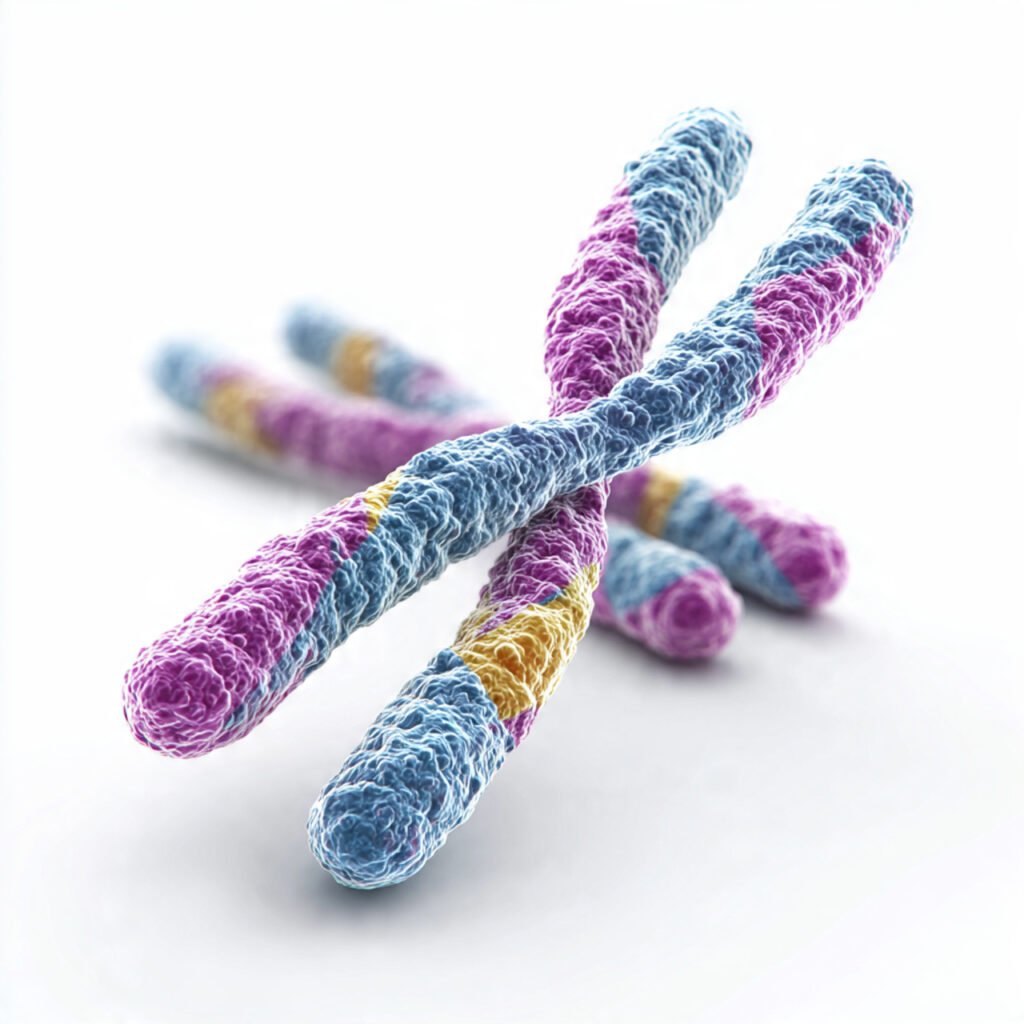

genetic abnormalities in pregnancy

Double Marker Test: How It Helps Detect Genetic Abnormalities in Pregnancy

Pregnancy is an emotional and life-changing journey, and every expecting parent hopes for the birth of a healthy baby. One of the most common concerns during early pregnancy is whether the baby has any genetic abnormalities. Advances in prenatal screening have made it possible to assess these risks early, even before the pregnancy progresses too far.

One such important screening test is the Double Marker Test. This test plays a crucial role in identifying the risk of genetic abnormalities in pregnancy, especially chromosomal conditions like Down syndrome. While it does not give a definitive diagnosis, it helps doctors decide whether further testing is needed.

This blog explains what the Double Marker Test is, why it is done, how it helps detect genetic abnormalities, and who should consider it.

Watch our video on : Double Marker test

What Are Genetic Abnormalities in Pregnancy?

Genetic abnormalities in pregnancy occur when there is a change or error in the baby’s chromosomes or genes. Humans normally have 46 chromosomes arranged in 23 pairs. Any extra, missing, or damaged chromosome can lead to genetic disorders.

Common genetic abnormalities screened during pregnancy include:

  • Down syndrome (Trisomy 21)

  • Edwards syndrome (Trisomy 18)

  • Patau syndrome (Trisomy 13)

These conditions can affect the baby’s physical development, intellectual abilities, and overall health. Early screening helps parents and doctors plan the safest course forward.

genetic abnormalities in pregnancy

What Is the Double Marker Test?

The Double Marker Test in pregnancy is a first-trimester blood test used to assess the risk of certain chromosomal or genetic abnormalities in the developing baby. It is a screening test, not a diagnostic test, meaning it helps identify whether a pregnancy is at low risk or high risk for genetic conditions.

This test is commonly advised between 11 and 13 weeks of pregnancy, along with a specialized ultrasound called the NT (Nuchal Translucency) scan.

When Is the Double Marker Test Done?

The Double Marker Test is usually done between:

9 weeks to 13 weeks + 6 days of pregnancy

This timing is important because the accuracy of screening for genetic abnormalities in pregnancy is highest during the first trimester.

Why Is the Double Marker Test Important?

The Double Marker Test is important because it helps:

  • Identify the risk of genetic abnormalities early

  • Reduce unnecessary anxiety in low-risk pregnancies

  • Decide whether further diagnostic tests are required

  • Provide time for informed decision-making

Early detection allows better pregnancy monitoring and planning.

How Does the Double Marker Test Detect Genetic Abnormalities?

The Nuchal Translucency (NT) scan is usually done along with the Double Marker Test. It measures the fluid collection behind the baby’s neck.

When combined, the Double Marker Test + NT scan significantly improves the accuracy of screening for genetic abnormalities in pregnancy.

Who Should Consider the Double Marker Test?

While the test can be done for all pregnant women, it is strongly recommended if:

  • Mother’s age is 35 years or above

  • There is a family history of genetic abnormalities

  • Previous pregnancy had chromosomal disorders

  • Abnormal ultrasound findings

  • IVF or assisted pregnancy

  • Consanguineous marriage (blood relation marriage)

Understanding the Test Results

The Double Marker Test result is given as a risk ratio, such as:

  • 1:10,000 (Low risk)

  • 1:200 or higher (High risk)

What Do These Results Mean?

  • Low risk: Chances of genetic abnormalities are very low

  • High risk: Further testing is advised, but it does NOT confirm a problem

It is important to understand that high risk does not mean the baby definitely has a genetic abnormality.

What Happens If the Test Shows High Risk?

If the Double Marker Test indicates high risk for genetic abnormalities in pregnancy, your doctor may suggest:

  • NIPT (Non-Invasive Prenatal Testing)

  • CVS (Chorionic Villus Sampling)

  • Amniocentesis

These tests help confirm whether a genetic abnormality is actually present.

Is the Double Marker Test Safe?

Yes.
The Double Marker Test is a simple blood test and is completely safe for both mother and baby. There is no risk of miscarriage associated with this test.

Final Thoughts

The Double Marker Test is an essential first-trimester screening tool that helps assess the risk of genetic abnormalities in pregnancy. Early screening empowers parents with information, allowing timely decisions and better pregnancy care.

Remember, a high-risk result does not mean something is definitely wrong. Most pregnancies with abnormal screening results still result in healthy babies. Always discuss your reports with a qualified doctor and follow recommended next steps calmly and confidently.

Early awareness, proper screening, and expert guidance make pregnancy safer and more reassuring.

Leave a Comment

Your email address will not be published. Required fields are marked *