


How Important Is the Umbilical Cord for a Baby in the Womb?
When a woman becomes pregnant, the focus usually stays on the baby’s heartbeat, the mother’s health, the growth scans, and the overall progress of pregnancy. But behind the scenes, there is one structure silently working 24/7 — a structure so essential that a baby cannot survive even a few minutes without it.
That structure is the umbilical cord.
At Nisarga Diagnostics, one of the most trusted pregnancy scan centers in Bangalore, we regularly meet couples who come for early pregnancy scans, anomaly scans, growth scans, and Doppler scans. Many of them are curious about how the umbilical cord works and why doctors keep checking it through ultrasound.
This blog explains the complete science behind the umbilical cord in simple language.
Watch our Video on : How Important Is the Umbilical Cord for a Baby in the Womb?
⭐ What Exactly Is the Umbilical Cord?
The umbilical cord is like a soft, flexible tube that connects the baby to the placenta.
Imagine it as a thick cable between the mother and the baby — the baby’s lifeline.
It usually contains:
- 1 vein – carries oxygen-rich blood from the mother (via placenta) to the baby
- 2 arteries – carry waste products from the baby back to the placenta
Surrounded by a jelly-like substance called Wharton’s jelly, the cord stays protected from pressure, twists, and compression.
Without this cord, there is no way for the growing baby to receive oxygen, nutrients, hormones, or immune support.
⭐ Why Is the Umbilical Cord So Important?
Here are the main functions of the umbilical cord:
✔ 1. Supplies Oxygen
Inside the womb, the baby does not breathe through the lungs.
All oxygen comes through the umbilical cord.
Even a slight reduction in blood flow can affect the baby’s brain and heart.
✔ 2. Provides Nutrients
Every meal the mother eats is broken down and sent to the baby through the placenta → umbilical vein.
This includes:
- Proteins
- Vitamins
- Minerals
- Healthy fats
- Glucose (baby’s main energy source)
This is why doctors advise good nutrition during pregnancy.
✔ 3. Removes Waste
The baby’s kidneys, liver, and lungs are not fully functional inside the womb.
The cord carries waste products back to the placenta, which are removed by the mother’s body.
✔ 4. Supports Baby’s Growth & Brain Development
A healthy cord ensures steady blood flow, which is critical for:
- Brain development
- Heart function
- Organ formation
- Muscle & bone growth
✔ 5. Transfers Immunity
Antibodies from the mother travel through the cord, giving the baby protection for the first few months after birth.
⭐ How Doctors Check Umbilical Cord Health?
At Nisarga Diagnostics, we use high-resolution ultrasound machines for pregnancy scans.
The health of the umbilical cord is assessed through:
✔ 1. Routine Ultrasound / Growth Scan
Doctors check:
- Cord insertion
- Length
- Coiling
- Amniotic fluid
- Baby’s growth patterns
This is part of every pregnancy scan in Bangalore that mothers undergo during each trimester.
✔ 2. Doppler Scan (Most Important)
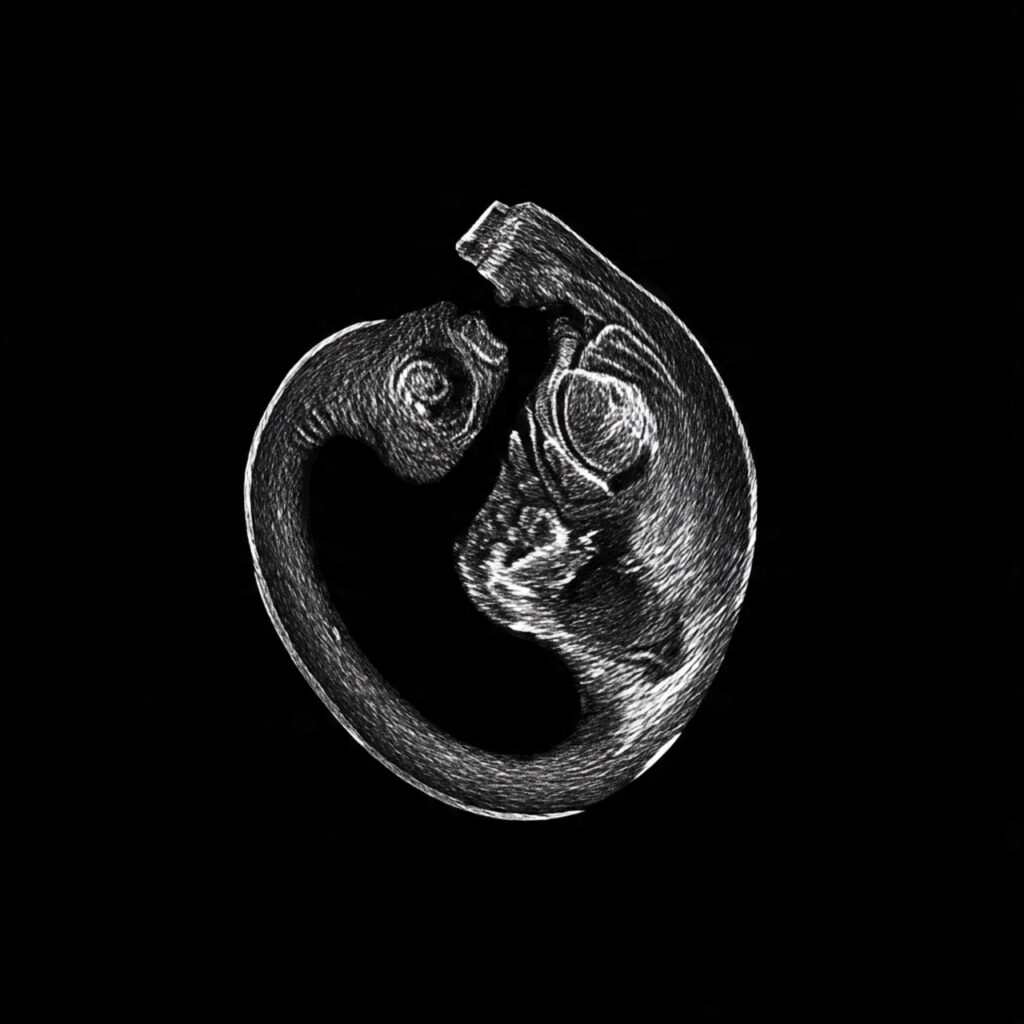
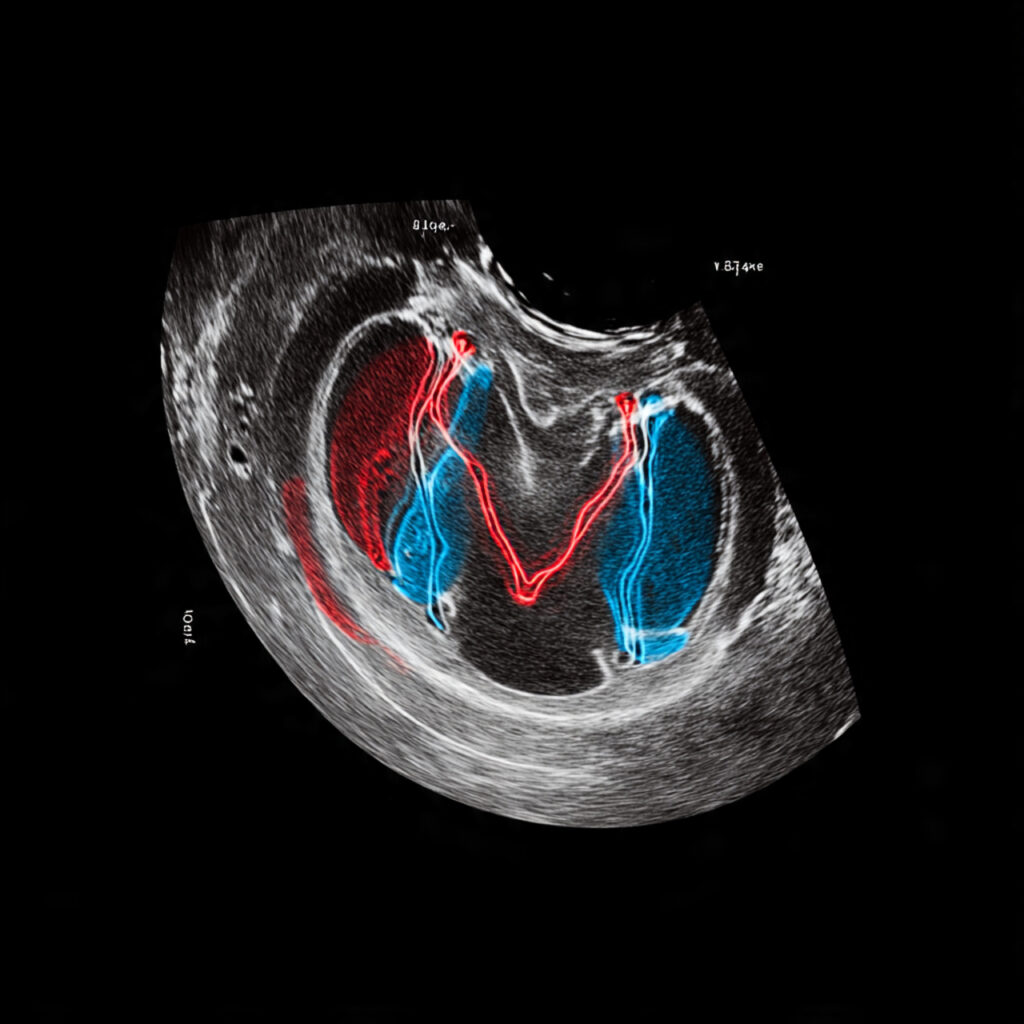
A Doppler ultrasound measures blood flow in the umbilical cord.
This helps detect:
- Reduced blood flow
- High resistance
- Issues due to high BP, diabetes, or anemia
- Placental insufficiency
That’s why doctors recommend doing Doppler scans only at trusted Doppler scanning centers in Bangalore like Nisarga Diagnostics, where accuracy matters.
✔ 3. Anomaly Scan (At 18–20 Weeks)
The cord is checked for:
- Number of vessels (2 arteries + 1 vein)
- Single umbilical artery
- Cord insertion problems
- Structural issues in the baby
✔ 4. NST (Near Delivery)
If Doppler indicates reduced blood flow, NST helps monitor fetal movements and oxygenation.
⭐ Common Umbilical Cord Problems & Why They Happen
The umbilical cord normally works perfectly, but certain issues can happen:
1️⃣ Cord Around the Neck (Nuchal Cord)
Many parents panic when they hear “cord around the neck.”
But the truth is:
- It is extremely common
- Seen in 1 out of 4 pregnancies
- Usually harmless
- Baby still gets oxygen through the cord (not the neck)
Modern ultrasound technology at premium pregnancy scan centers in Bangalore helps identify this early and monitor safely.
2️⃣ Single Umbilical Artery (SUA)
Instead of 2 arteries, the baby has only 1.
Most babies with SUA are normal, but doctors monitor growth more closely.
3️⃣ Cord Too Short
Can affect baby’s movements and complicate delivery.
4️⃣ Cord Too Long / Excessively Coiled
May sometimes lead to compression but is usually harmless.
5️⃣ True Knot
A real knot in the cord (rare).
Doppler monitoring becomes very important.
6️⃣ Cord Insertion Problems
Such as:
- Velamentous insertion
- Marginal insertion
- Battledore placenta
These may affect blood flow and need regular monitoring at a trusted Doppler scanning center in Bangalore.
⭐ Why Doppler Scan Is Crucial for Umbilical Cord Health
The Doppler scan tells us:
- Is the baby getting enough oxygen?
- Is blood flow normal?
- Is the placenta working well?
- Should delivery be planned earlier?
For mothers with:
- High blood pressure
- Thyroid problems
- Diabetes
- Low baby movement
- Reduced amniotic fluid
- IUGR (low baby weight)
- Previous pregnancy loss
…a Doppler scan becomes life-saving.
At Nisarga Diagnostics, our team performs detailed Doppler assessments, making us a preferred choice for parents searching for a reliable Doppler scanning center in Bangalore.
⭐ How Umbilical Cord Health Affects Normal Delivery & C-Section
✔ If cord function is normal →
Baby grows well → good oxygen flow → safe for normal delivery.
✔ If blood flow reduces →
Doctors may recommend early delivery or C-section to prevent complications.
This is why regular scans are not just “routine,” they are essential.
⭐ What You Can Do as a Mother to Keep the Umbilical Cord Healthy
While many cord issues are natural, the mother can still support good blood flow by maintaining good health.
✔ 1. Eat Balanced, Nutritious Meals
This directly affects blood quality and nutrient supply to the baby.
✔ 2. Stay Hydrated
Good hydration improves amniotic fluid and placental blood flow.
✔ 3. Take Iron, Calcium & Folic Acid
These help maintain hemoglobin levels and prevent anemia, which affects cord blood flow.
✔ 4. Avoid Smoking & Alcohol
They directly reduce blood supply to the cord and placenta.
✔ 5. Manage Thyroid, BP & Diabetes
Regular tests at diagnostic centers like ours can prevent complications.
✔ 6. Don’t Skip Scans
Especially:
- NT scan (11–14 weeks)
- Anomaly scan
- Growth scan
- Doppler scan
Every pregnancy is unique. Your doctor knows which scan is required at what time.
⭐ Final Thoughts: The Umbilical Cord Is Truly the Baby’s Lifeline
The umbilical cord may look simple, but it performs the most powerful functions for your baby:
- It breathes for the baby
- It feeds the baby
- It removes waste
- It supports growth
- It protects development
- It keeps the baby alive
This is why doctors and radiologists keep checking its health during scans.

Founder of Nisarga Diagnostics, is a renowned fetal ultrasound specialist with over 20 years of expertise. An alumnus of Government Medical Colleges in Mysore and Bangalore, he also holds a D.N.B. from the National Board of Examinations, Delhi, and certification from the Fetal Medicine Foundation, London. A former Professor and HOD, he has trained countless PG students and junior radiologists, shaping the future of fetal imaging in India.