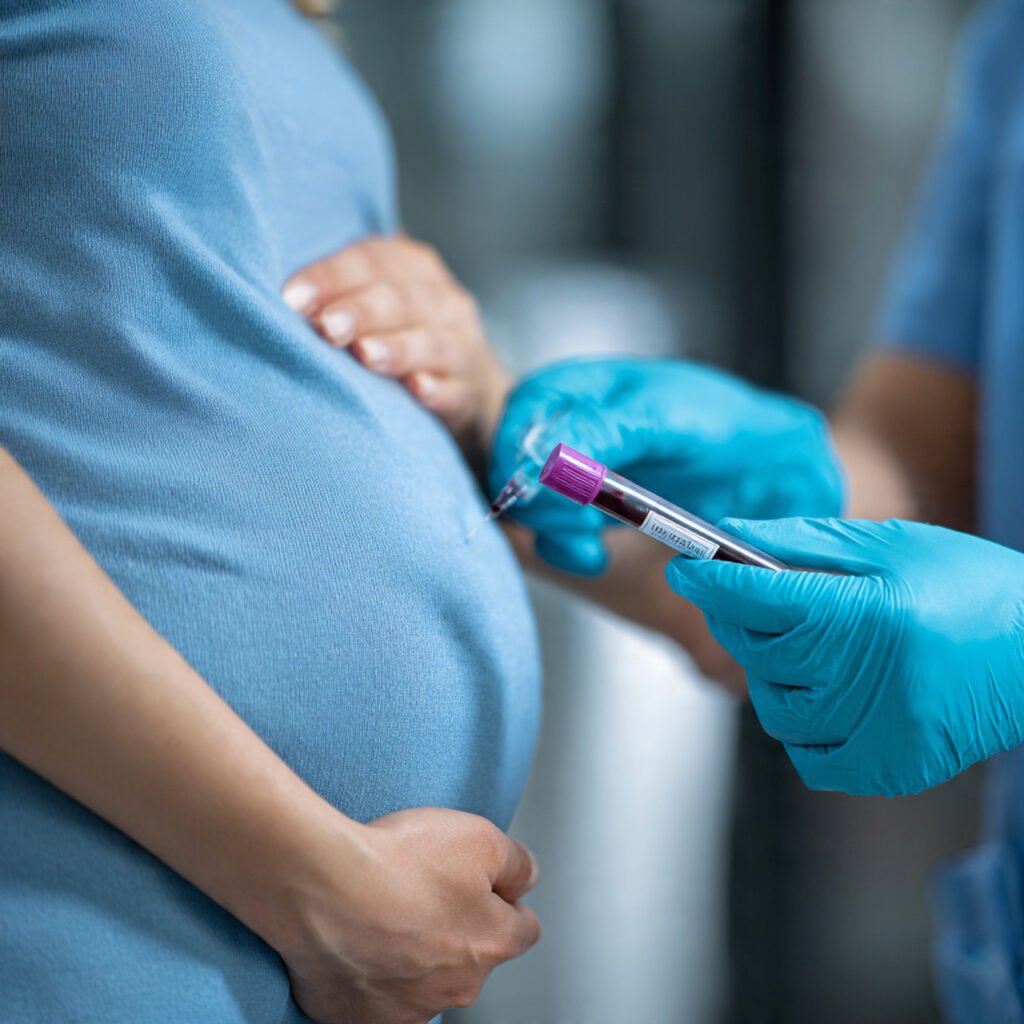
Is High Sugar Dangerous for the Baby During Pregnancy?

Pregnancy is a phase where every mother wants to do what is best for her baby. Among the many health concerns during pregnancy, high blood sugar levels often go unnoticed because they may not cause obvious symptoms. Many women ask the same important question:
“Is high sugar dangerous for the baby during pregnancy?”

The answer is yes — uncontrolled sugar levels during pregnancy can affect both the mother and the baby in multiple ways. However, the good news is that with early diagnosis, proper monitoring, and timely care, these risks can be significantly reduced.

At Nisarga Diagnostics, pregnancy-related blood tests play a vital role in identifying sugar-related problems early, ensuring a safer pregnancy journey.

Watch our video on : Is High Sugar Dangerous for the Baby During Pregnancy

What Does High Sugar During Pregnancy Mean?

High sugar during pregnancy is most commonly due to a condition called Gestational Diabetes Mellitus (GDM).
This condition occurs when pregnancy hormones reduce the effectiveness of insulin, leading to increased blood glucose levels.

Gestational diabetes usually develops in the second or third trimester and often does not cause noticeable symptoms, making routine testing extremely important.

Some women may already have undiagnosed diabetes before pregnancy, while others develop high sugar levels only during pregnancy.

Pregnancy sugar danger to baby

Why Is High Sugar Dangerous for the Baby During Pregnancy?

When a mother’s blood sugar is high, glucose freely crosses the placenta, exposing the baby to excess sugar. In response, the baby’s pancreas produces more insulin. This process affects the baby’s growth, metabolism, and overall health.

1. Excessive Fetal Growth (Macrosomia)

One of the most common effects of high sugar during pregnancy is excessive fetal growth, also known as macrosomia.
The baby accumulates more fat, especially around the shoulders, chest, and abdomen.

This can cause:
• Difficulty during normal delivery
• Shoulder injury during birth
• Increased need for assisted or operative delivery

Large babies increase the risk of complications for both mother and child.

2. Increased Risk of Caesarean Delivery

Due to the baby’s increased size, many women with uncontrolled sugar levels require caesarean section for safe delivery.
C-sections come with longer recovery time, increased infection risk, and higher healthcare costs.

Proper sugar control reduces the chances of operative delivery.

3. Low Blood Sugar in the Newborn (Neonatal Hypoglycemia)

After birth, the baby suddenly loses the constant sugar supply from the mother but continues producing high insulin levels.
This leads to low blood sugar levels in the newborn, which can be dangerous if not treated immediately.

Symptoms in newborns may include:
• Poor feeding
• Lethargy
• Tremors
• Seizures in severe cases

Early detection and neonatal care are crucial.

4. Breathing Difficulties in Newborns

Babies born to mothers with uncontrolled gestational diabetes may have delayed lung maturity, even if delivered at full term.
This can lead to respiratory distress syndrome, requiring NICU care.

5. Higher Risk of Preterm Birth

High sugar levels can increase the chances of:
• Preterm labor
• Early induction of labor
• Premature rupture of membranes

Premature babies are at higher risk of infections, breathing problems, and feeding difficulties.

 

Long-Term Effects of High Sugar on the Child

The effects of high sugar during pregnancy may extend well beyond childbirth.

Children born to mothers with gestational diabetes have an increased risk of:
• Childhood obesity
• Insulin resistance
• Type 2 diabetes later in life
• Metabolic syndrome

This highlights the importance of blood sugar control not just for delivery, but for the child’s long-term health.

How Does High Sugar Affect the Mother?

High blood sugar during pregnancy also poses serious risks to the mother.

These include:
• High blood pressure and preeclampsia
• Increased risk of urinary tract infections
• Excessive weight gain
• Complicated labor and delivery
• Higher risk of developing type 2 diabetes later in life

Women with gestational diabetes need follow-up even after delivery.

Who Is at Higher Risk of Gestational Diabetes?

Certain women are more likely to develop high sugar during pregnancy, including those with:
• Overweight or obesity
• Polycystic Ovarian Syndrome (PCOS)
• Family history of diabetes
• Previous pregnancy with a large baby
• Age above 30 years

Such women may require early screening.

How Is High Sugar Detected During Pregnancy?

At Nisarga Diagnostics, gestational diabetes is detected through accurate and pregnancy-safe blood tests, including:

• Fasting blood sugar
• Post-meal blood sugar
• Oral Glucose Tolerance Test (OGTT)

Testing is usually advised between 24–28 weeks of pregnancy, but may be done earlier in high-risk cases.

Early testing allows timely intervention and prevents complications.

Can High Sugar During Pregnancy Be Controlled?

Yes. With proper medical guidance, gestational diabetes can be effectively managed.

Management typically includes:
• Balanced diet with controlled carbohydrates
• Regular, pregnancy-safe physical activity
• Home blood sugar monitoring
• Insulin therapy if required

Most women who follow medical advice deliver healthy babies without complications.

Importance of Regular Monitoring

Many pregnant women feel normal even when sugar levels are high.
That is why routine blood testing at a trusted diagnostic center like Nisarga Diagnostics is essential.

Regular monitoring helps:
• Track sugar trends
• Adjust diet or treatment
• Ensure healthy fetal growth
• Plan safe delivery

Conclusion

So, is high sugar dangerous for the baby during pregnancy?
Yes — but it is manageable and preventable with early diagnosis and proper care.

Pregnancy is not the time to ignore blood sugar levels.
Routine testing, timely monitoring, and expert guidance can make your pregnancy safe, smooth, and stress-free.

Leave a Comment

Your email address will not be published. Required fields are marked *