
Pregnancy 3D & 4D Scan: When Is It Really Needed?
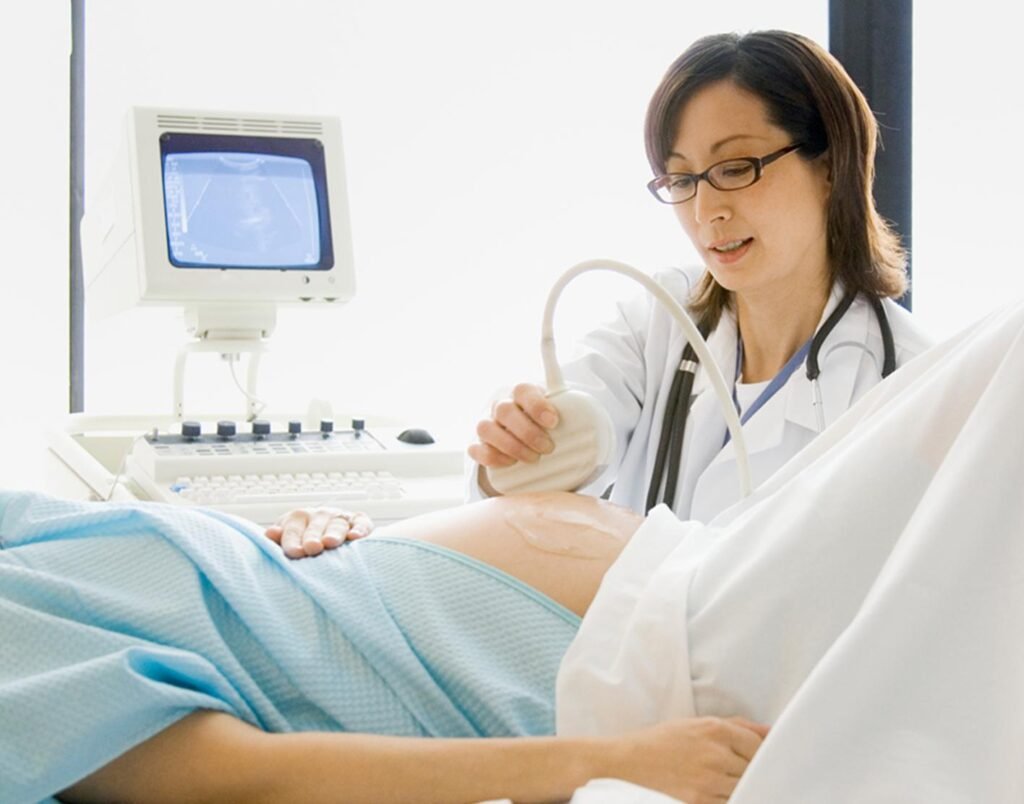
Pregnancy is a beautiful journey filled with excitement, and every parent eagerly waits to catch a glimpse of their baby. With modern ultrasound technology, 3D and 4D pregnancy scans can create detailed images of the baby, leading many parents to believe these scans are meant only to see their baby’s face.
However, this is a common misconception.
At Nisarga Diagnostics, Sanjayanagar, Bengaluru, we believe every ultrasound examination should have a clear medical purpose. A Pregnancy 3D & 4D Scan is primarily a diagnostic scan, designed to help doctors evaluate certain fetal conditions—not an entertainment or keepsake scan.
Watch our video on : 3D & 4D Scan
What is a Pregnancy 3D Scan?
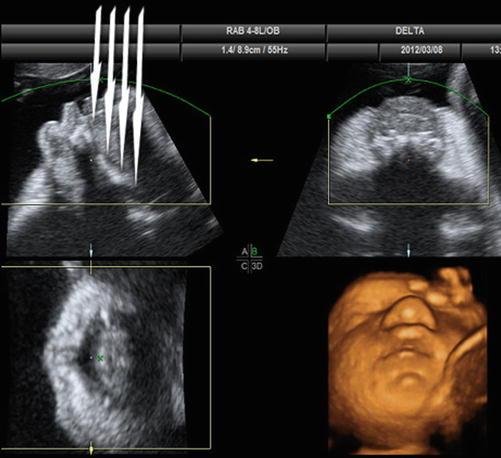
A 3D ultrasound combines multiple 2D ultrasound images to produce a three-dimensional picture of your baby.
Unlike a regular 2D scan, it provides better visualization of the baby’s external structures, especially the face, hands, feet, and body surface.
This additional detail can help doctors evaluate specific fetal abnormalities more accurately.
What is a Pregnancy 4D Scan?
A 4D ultrasound is simply a live version of a 3D scan.
Instead of a still image, it shows your baby moving in real time.
During a medically indicated 4D scan, you may see your baby:
- Yawning
- Smiling
- Stretching
- Moving the hands and legs
- Opening and closing the eyes
Although these movements are fascinating, the primary objective remains medical assessment, not creating souvenir videos.
Is Every Pregnant Woman Advised to Have a 3D & 4D Scan?
No.
Most healthy pregnancies do not require a 3D or 4D scan.
International obstetric guidelines recommend these scans only when there is a medical indication. They are not advised simply because parents wish to see the baby’s face or obtain photographs.
Routine pregnancy care mainly relies on:
- Dating Scan
- NT Scan
- Anomaly (TIFFA) Scan
- Growth Scan
- Doppler Scan (when indicated)
These scans provide the essential medical information required during pregnancy.
When Do Doctors Recommend a Pregnancy 3D & 4D Scan?
A 3D or 4D scan may be recommended when your doctor needs a better view of certain external fetal abnormalities.
1. Cleft Lip and Cleft Palate
One of the most common reasons for performing a 3D scan is to evaluate a suspected cleft lip.
The three-dimensional image helps doctors clearly visualize the baby’s facial structures and confirm the diagnosis. Early detection allows parents to understand the condition and prepare for treatment after birth.
2. Club Foot (Talipes)
If a routine ultrasound suggests that the baby’s feet are abnormally positioned, a 3D scan can provide a clearer view of conditions such as club foot (Talipes Equinovarus).
This helps doctors assess the severity of the condition and plan appropriate care after delivery.
3. Facial Abnormalities
Doctors may recommend a 3D scan to evaluate:
- Facial asymmetry
- Small jaw (Micrognathia)
- Abnormal facial contours
- Other visible facial abnormalities
The additional depth offered by 3D imaging improves visualization of these surface structures.
4. Limb Abnormalities
A 3D scan may also be helpful in assessing:
- Missing fingers or toes
- Extra fingers (Polydactyly)
- Fused fingers (Syndactyly)
- Limb deformities
5. Certain Surface Abnormalities
Some surface defects involving the baby’s body can also be evaluated more clearly with 3D ultrasound when recommended by your doctor.
Does a 3D & 4D Scan Replace the TIFFA (Anomaly) Scan?
Absolutely not.
This is another common misconception.
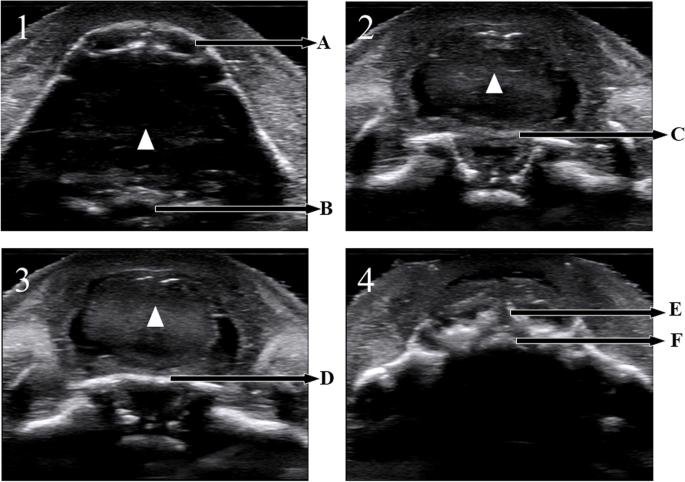
The Anomaly (TIFFA) Scan remains the most important ultrasound for evaluating your baby’s internal organs and overall anatomy.
It carefully examines:
- Brain
- Heart
- Spine
- Kidneys
- Stomach
- Bladder
- Limbs
- Placenta
- Amniotic fluid
A 3D scan complements the anomaly scan in selected cases but never replaces it.
Is It Advisable to Have a 3D Scan Just to See the Baby's Face?
Generally, no.
Many parents request a 3D scan only because they want:
- Baby photographs
- Baby videos
- Keepsake images
- A first look at their baby’s face
However, ultrasound is a medical investigation, not a photography session.
Professional organizations recommend that ultrasound examinations be performed only when medically indicated.
At Nisarga Diagnostics, patient safety and appropriate medical care always come first.
Why Might the Baby's Face Not Be Clearly Visible?
Even during a medically indicated 3D scan, obtaining a perfect facial image is not always possible.
Image quality depends on several factors, including:
- Baby’s position
- Placenta location
- Amount of amniotic fluid
- Mother’s body build
- Gestational age
- Whether the baby’s hands or feet are covering the face
Therefore, a clear facial image cannot be guaranteed.
Is a Pregnancy 3D & 4D Scan Safe?
Yes.
Like conventional ultrasound, 3D and 4D scans use high-frequency sound waves and do not expose the mother or baby to radiation.
When performed by trained professionals for appropriate medical indications, these scans are considered safe during pregnancy.
Key Takeaways
A Pregnancy 3D & 4D Scan is a diagnostic scan, not an entertainment scan.
It is useful in evaluating conditions such as:
- Cleft lip
- Club foot
- Facial abnormalities
- Limb abnormalities
- Selected surface defects
It is not routinely advised simply to see your baby’s face or create keepsake images.
The TIFFA (Anomaly) Scan remains the most important scan for assessing your baby’s development.
Always undergo pregnancy ultrasounds based on your obstetrician’s recommendation.
Pregnancy 3D & 4D Scan at Nisarga Diagnostics
At Nisarga Diagnostics, Sanjayanagar, Bengaluru, we are committed to providing accurate, ethical, and evidence-based fetal imaging. Our experienced radiologists perform every pregnancy scan with the utmost care, ensuring both maternal and fetal well-being.
If your obstetrician recommends a Pregnancy 3D & 4D Scan, our team will explain the purpose of the examination, answer your questions, and provide high-quality prenatal imaging in a comfortable and caring environment.
Frequently Asked Questions
1. Is a Pregnancy 3D & 4D Scan compulsory?
No. It is performed only when your doctor feels additional imaging is medically beneficial.
2. Can I have a 3D scan just to see my baby’s face?
Generally, it is not recommended. Ultrasound should be performed for medical reasons rather than keepsake purposes.
3. Does a 3D scan replace the TIFFA Scan?
No. The TIFFA (Anomaly) Scan remains the primary examination for evaluating fetal anatomy.
4. Can a 3D scan detect cleft lip?
Yes. A 3D scan provides excellent visualization of the baby’s facial surface and is especially useful in assessing suspected cleft lip.
5. Is a Pregnancy 3D & 4D Scan safe?
Yes. When performed by qualified professionals for appropriate medical indications, it is considered safe and does not use radiation.

Founder of Nisarga Diagnostics, is a renowned fetal ultrasound specialist with over 20 years of expertise. An alumnus of Government Medical Colleges in Mysore and Bangalore, he also holds a D.N.B. from the National Board of Examinations, Delhi, and certification from the Fetal Medicine Foundation, London. A former Professor and HOD, he has trained countless PG students and junior radiologists, shaping the future of fetal imaging in India.

