


Can men develop breasts too? Yes. This condition is called gynecomastia in men, and it refers to an increase in glandular breast tissue. It is common, usually benign and nothing to feel embarrassed about.
Gynecomastia can affect one or both sides of the chest, sometimes unevenly. Some people notice only a change in shape, while others feel a small firm or rubbery area behind the nipple, tenderness or discomfort. Although many cases are harmless, a new swelling or unusual lump should be assessed by a qualified doctor rather than self-diagnosed.
What Is Gynecomastia in Men?
All males have a small amount of breast tissue. Gynecomastia develops when the balance of hormonal activity affecting this tissue changes—most often involving the effects of oestrogen and testosterone. The result is benign growth of glandular tissue beneath or around the nipple.

Common Symptoms of Gynecomastia
Symptoms can vary from person to person. They may include:
- Enlargement of one or both sides of the chest
- A firm or rubbery area under the nipple
- Tenderness or sensitivity around the nipple
- Mild pain, especially while the tissue is developing
- Uneven enlargement, with one side appearing larger
What Causes Gynecomastia?
Gynecomastia in men can occur for several reasons. Sometimes no single cause is identified.
1. Natural hormonal changes
Temporary gynecomastia can occur during puberty. It can also develop later in life as hormone levels and body composition change.
2. Medicines and supplements
Certain prescription medicines, hormonal products and some supplements may be associated with breast tissue enlargement. Do not stop prescribed medication on your own; discuss the concern with your doctor.
3. Underlying health conditions
Conditions involving the liver, kidneys, thyroid or hormone-producing organs may sometimes contribute. Your doctor may recommend blood tests or other investigations based on your history and examination.
4. Increased fatty tissue
Weight gain can increase fat in the chest and create the appearance of enlarged breasts. This is called pseudogynecomastia. It is different from true gynecomastia, although both can occur together.
Watch: Gynecomastia Explained
When Should You See a Doctor?
Book a medical assessment if the swelling is new, persistent, painful, increasing or causing concern. Seek prompt evaluation if you notice:
- A hard, irregular or fixed lump
- Nipple discharge, especially if blood-stained
- Nipple pulling inward or a change in its shape
- Dimpling, ulceration or other skin changes
- A lump in the armpit
- Rapid or distinctly one-sided enlargement
How Is Gynecomastia Evaluated?
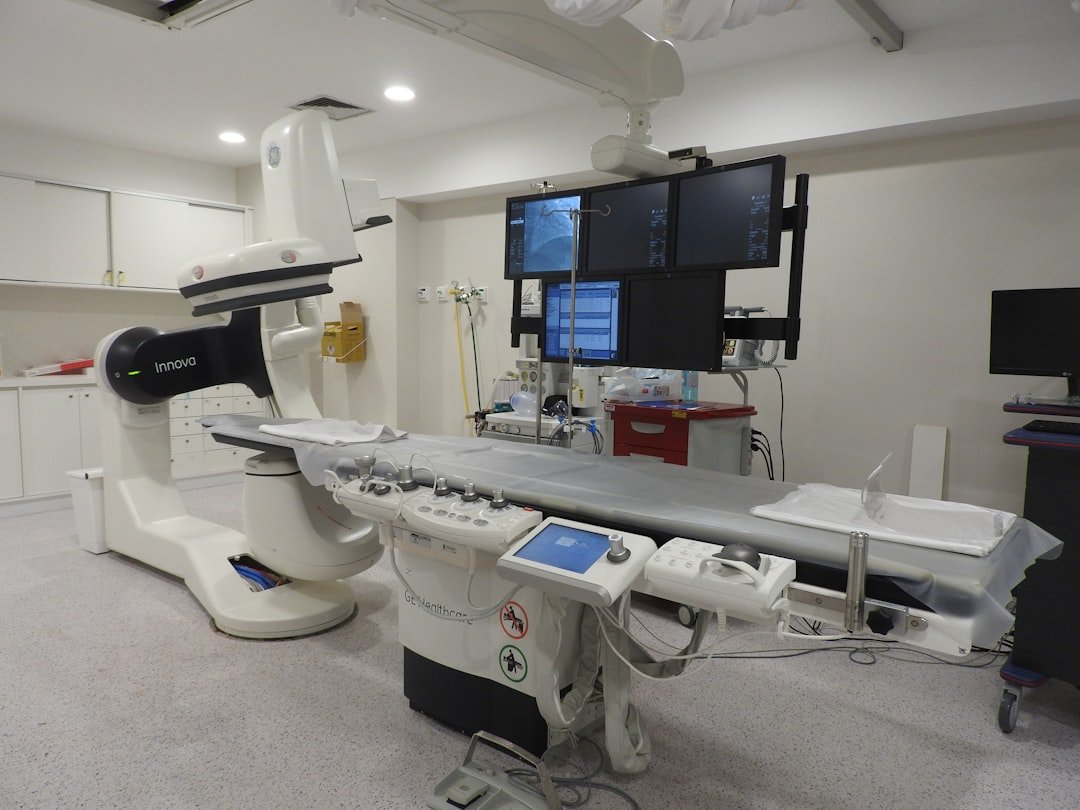
Evaluation usually begins with a discussion of your symptoms, medicines, supplements, medical history and how long the change has been present. The doctor may examine the chest, nipples and lymph-node areas and, when relevant, look for signs of an underlying hormonal or systemic condition.
Blood tests may be advised when the history suggests a hormonal, liver, kidney or thyroid cause. Imaging is selected according to age, examination findings and the level of clinical concern.
What Is the Role of Ultrasound?
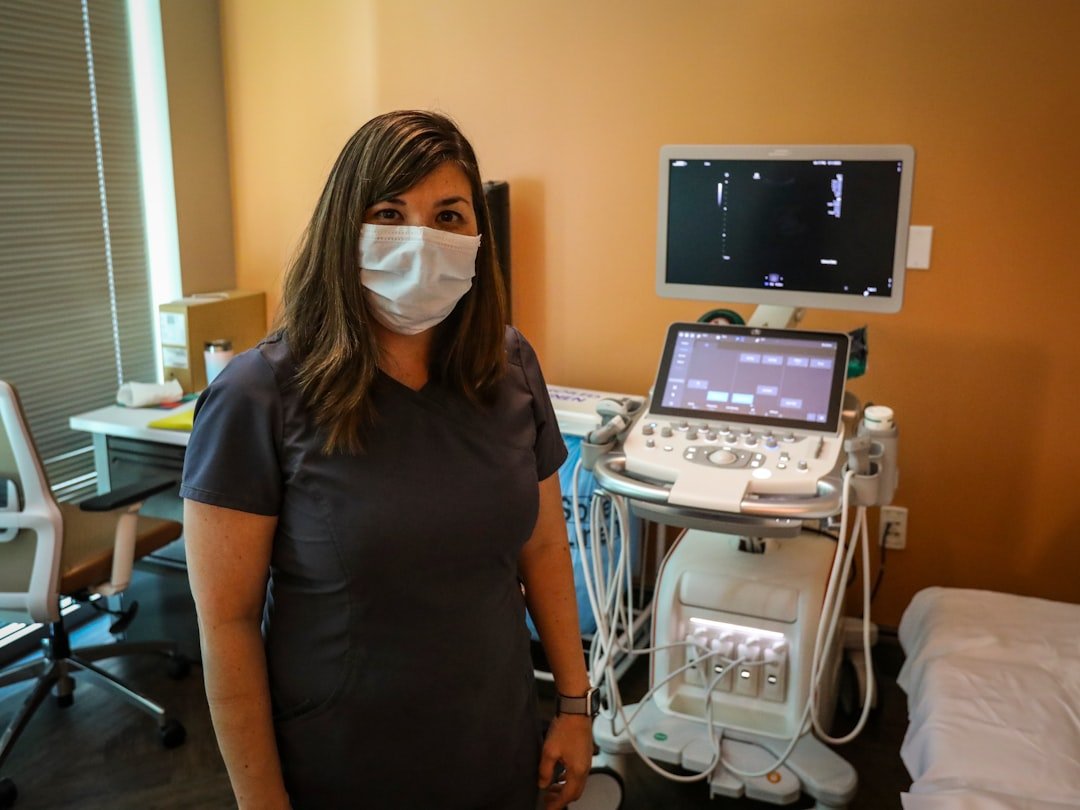
An ultrasound uses sound waves and does not involve radiation. It can help assess the area beneath a swelling and show whether a finding is solid or fluid-filled. It may also help the radiologist characterise glandular tissue or examine a focal area identified during clinical assessment.
However, ultrasound is not automatically required for every typical case. If the examination clearly fits gynecomastia or pseudogynecomastia, a doctor may decide that imaging is unnecessary. When a lump is unclear or has concerning features, ultrasound, mammography or both may be recommended depending on the person’s age and clinical findings.
Does Gynecomastia Always Need Treatment?
No. Treatment depends on the cause, duration and severity of symptoms. Puberty-related cases often improve over time. When a medicine or health condition contributes, the treating doctor may address that factor. Persistent pain, significant enlargement or emotional distress may require specialist review. Surgery is only one possible option and is not necessary for everyone.
Frequently Asked Questions
Is gynecomastia in men cancer?
No. Gynecomastia is a benign increase in glandular tissue. However, any new, hard or unusual lump should be examined so that other causes are not missed.
Can gynecomastia affect only one side?
Yes. It may affect one or both sides and can be uneven.
Can exercise remove gynecomastia?
Exercise can reduce overall body fat and may improve chest contour when fatty tissue is involved. It does not directly remove established glandular tissue.
Is ultrasound needed for every case?
No. The need for ultrasound or mammography depends on the clinical examination, age and features of the lump.
Private Diagnostic Guidance at Nisarga Diagnostics
If you have new chest swelling, tenderness or an unusual lump, speak with your doctor. When imaging is advised, Nisarga Diagnostics offers a professional and respectful diagnostic experience in Bengaluru.
Medical disclaimer: This article is for general educational purposes and does not replace a medical consultation. Imaging should be performed based on a clinician’s recommendation and individual findings.
Medical references: Mayo Clinic and American College of Radiology.

Founder of Nisarga Diagnostics, is a renowned fetal ultrasound specialist with over 20 years of expertise. An alumnus of Government Medical Colleges in Mysore and Bangalore, he also holds a D.N.B. from the National Board of Examinations, Delhi, and certification from the Fetal Medicine Foundation, London. A former Professor and HOD, he has trained countless PG students and junior radiologists, shaping the future of fetal imaging in India.