

How Does a Baby Get Food in the Womb? Understanding Placenta and Umbilical Cord

Pregnancy is one of nature’s most fascinating processes. One of the most common questions expectant parents ask is: How does a baby get food in the womb?

Many people assume that the baby receives nutrition by swallowing the fluid surrounding it. While the baby does swallow amniotic fluid, this fluid does not provide the nutrition required for growth and development. Instead, a remarkable system involving the placenta and umbilical cord ensures that the baby receives everything it needs.

In this article, we explain how a baby gets food in the womb, how nutrients reach the baby, and why regular pregnancy scans are important for monitoring your baby’s growth.

Watch our video on : How Does a Baby Get Food in the Womb?

Does the Baby Eat Food Inside the Womb?

The simple answer is No.

A baby does not eat food the way we do after birth. Inside the womb, the baby is completely dependent on the mother for nutrition. Everything the baby needs—including oxygen, proteins, vitamins, minerals, fats, carbohydrates, and water—is supplied through the mother’s bloodstream.

This process is made possible by two important structures:

Placenta

Umbilical CordTogether, they act as the baby’s lifeline throughout pregnancy.

What Is the Placenta?

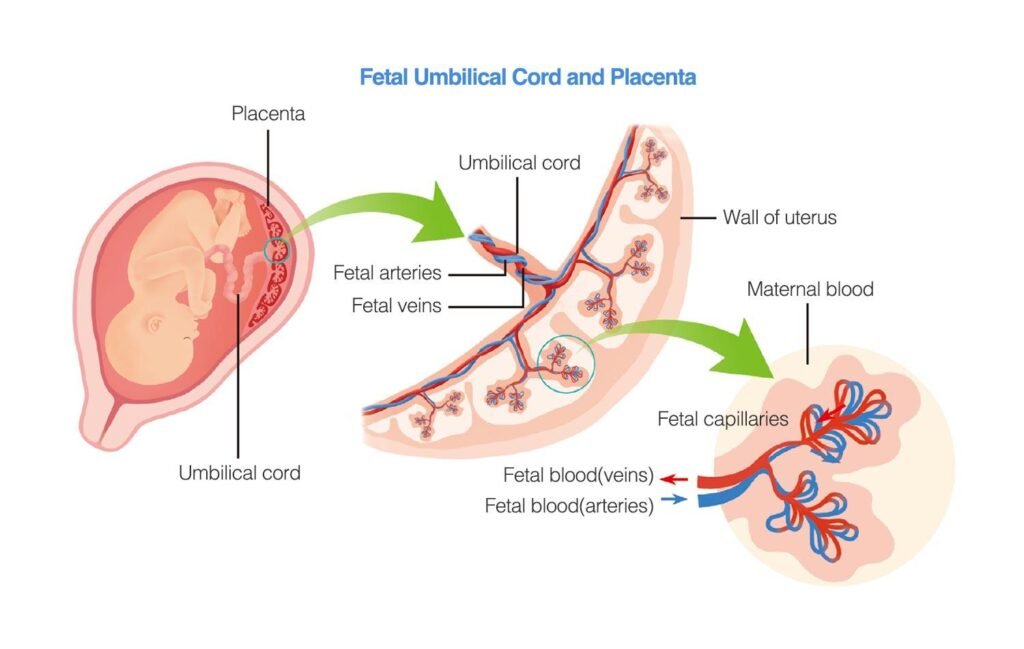
The placenta is a special organ that develops during pregnancy and attaches to the wall of the uterus.

Its functions include:

✅ Supplying oxygen to the baby
✅ Delivering nutrients from the mother
✅ Removing waste products from the baby’s blood
✅ Producing pregnancy-supporting hormones
✅ Acting as a protective barrier

The placenta is often called the baby’s life support system because it performs many functions that the baby’s organs cannot yet perform.

How Does a Baby Get Food in the Womb?

When a mother eats food, the digestive system breaks it down into nutrients such as:

  • Glucose
  • Proteins
  • Vitamins
  • Minerals
  • Healthy fats

These nutrients are absorbed into the mother’s bloodstream through the intestines.

The nutrient-rich blood then travels to the placenta. The placenta carefully filters and transfers the required nutrients to the baby. These nutrients enter the baby’s circulation through the umbilical cord.

This is exactly how a baby gets food in the womb and continues to grow throughout pregnancy.

The Journey of Nutrients

  1. Mother eats food.
  2. Food is digested in the intestines.
  3. Nutrients enter the mother’s bloodstream.
  4. Nutrients reach the placenta.
  5. Placenta transfers nutrients to the baby.
  6. Umbilical cord carries nutrients directly to the baby.

What Is the Umbilical Cord?

The umbilical cord is a flexible tube-like structure connecting the baby to the placenta.

It contains blood vessels that transport:

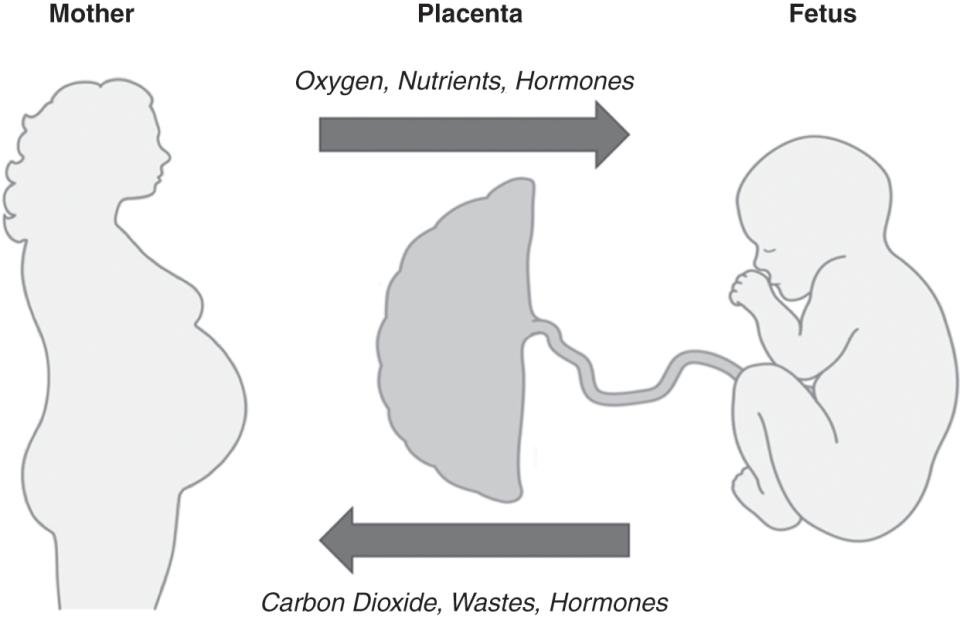
From Mother to Baby
  • Oxygen
  • Glucose
  • Amino acids
  • Vitamins
  • Minerals
  • Water
From Baby to Mother
  • Carbon dioxide
  • Waste products

The umbilical cord serves as the direct pathway through which the baby receives nourishment during pregnancy.

Does the Baby Drink Amniotic Fluid?

Yes, babies do swallow amniotic fluid while they are in the womb.

This process helps:

  • Develop the digestive system
  • Develop the lungs
  • Practice swallowing movements

However, amniotic fluid is not the primary source of nutrition. The baby’s nutritional needs are fulfilled through the placenta and umbilical cord.

How Does the Baby Receive Oxygen?

Just like nutrients, oxygen also reaches the baby through the placenta.

The mother’s lungs absorb oxygen from the air she breathes. This oxygen enters her bloodstream and travels to the placenta. The placenta then transfers oxygen to the baby through the umbilical cord.

The baby does not breathe air inside the womb. Instead, oxygen is supplied continuously through this specialized system.

Why Are Pregnancy Scans Important?

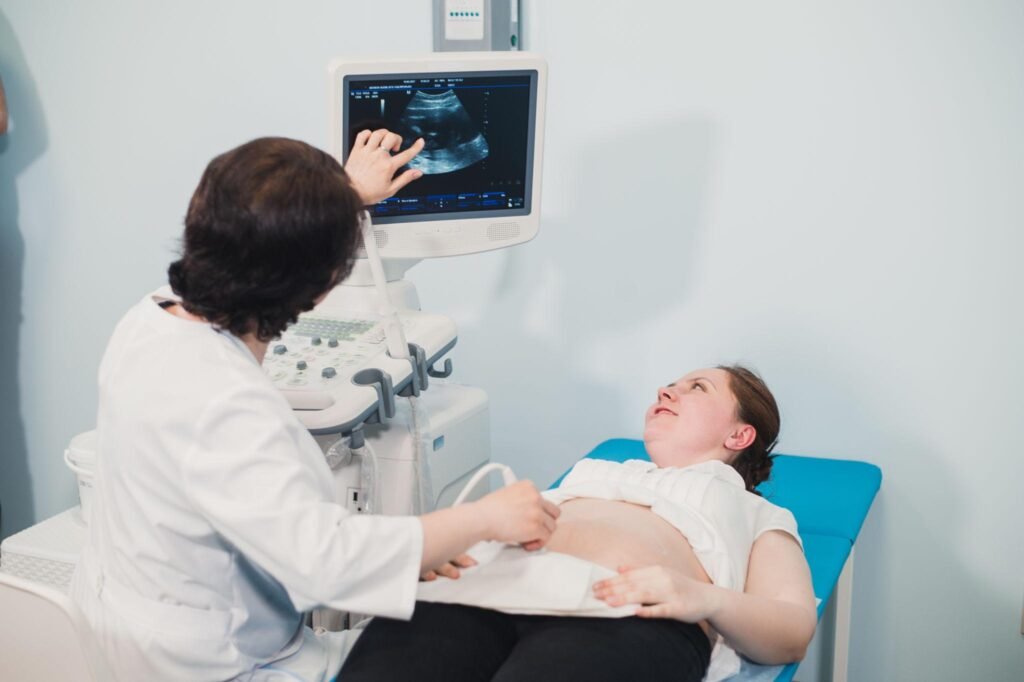
Pregnancy scans play a vital role in monitoring the baby’s growth and development.

Ultrasound scans help doctors:

  • Confirm healthy fetal growth
  • Check placental position and function
  • Assess amniotic fluid levels
  • Evaluate blood flow through the umbilical cord
  • Detect abnormalities early
  • Monitor fetal well-being

Regular scans provide valuable information that helps ensure a healthy pregnancy for both mother and baby.

Important Pregnancy Scans

1. Dating Scan

Performed during early pregnancy to confirm gestational age and estimate the due date.

2. NT Scan

Performed between 11 and 14 weeks to assess fetal development and screen for certain chromosomal abnormalities.

3. Anomaly Scan

Usually performed between 18 and 22 weeks to evaluate the baby’s organs and anatomy.

4. Growth Scan

Performed later in pregnancy to monitor fetal growth, placental health, and blood flow.

Conclusion

Understanding how a baby gets food in the womb helps parents appreciate the incredible process of pregnancy. While the baby may swallow amniotic fluid, nutrition does not come from it. Instead, nutrients and oxygen from the mother’s bloodstream are transferred through the placenta and delivered to the baby via the umbilical cord.

The placenta and umbilical cord work together as the baby’s lifeline, ensuring healthy growth and development throughout pregnancy.

Regular pregnancy scans at Nisarga Diagnostics can help monitor your baby’s growth and provide reassurance throughout your pregnancy journey.

Leave a Comment

Your email address will not be published. Required fields are marked *