

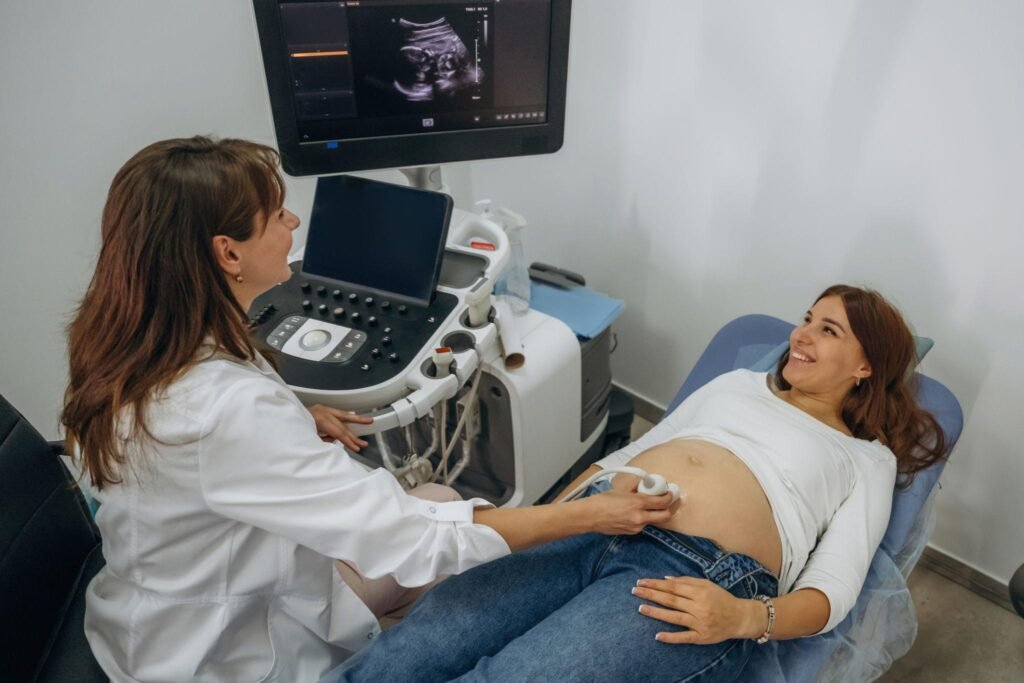
TIFFA Scan in Pregnancy: When Is It Done and Why Is It Important?
Pregnancy is a journey filled with excitement, anticipation, and important medical check-ups. Among the various scans performed during pregnancy, the TIFFA Scan in Pregnancy is one of the most important because it provides a detailed assessment of your baby’s growth and development.
Many expectant parents hear terms such as Anomaly Scan, Level 2 Scan, Mid-Trimester Scan, Morphological Scan, and TIFFA Scan and wonder whether they are different tests. In reality, these names often refer to the same detailed ultrasound examination performed during the second trimester.
In this article, we explain what a TIFFA Scan is, when it is performed, what it evaluates, and why it plays a crucial role in ensuring a healthy pregnancy.
Watch our video on : TIFFA Scan in Pregnancy
What Is a TIFFA Scan?
TIFFA stands for Targeted Imaging for Fetal Anomalies.
A TIFFA Scan is a detailed ultrasound examination performed during the second trimester to evaluate the baby’s anatomy from head to toe and identify any structural abnormalities that may be present.
The scan carefully examines all major organs and body systems of the developing baby, making it one of the most comprehensive ultrasound assessments during pregnancy.
A TIFFA Scan is also commonly known as:
- Anomaly Scan
- Level 2 Scan
- Mid-Trimester Scan
- Morphological Scan
Although the names may differ, the purpose remains the same: to assess fetal development and screen for congenital abnormalities.
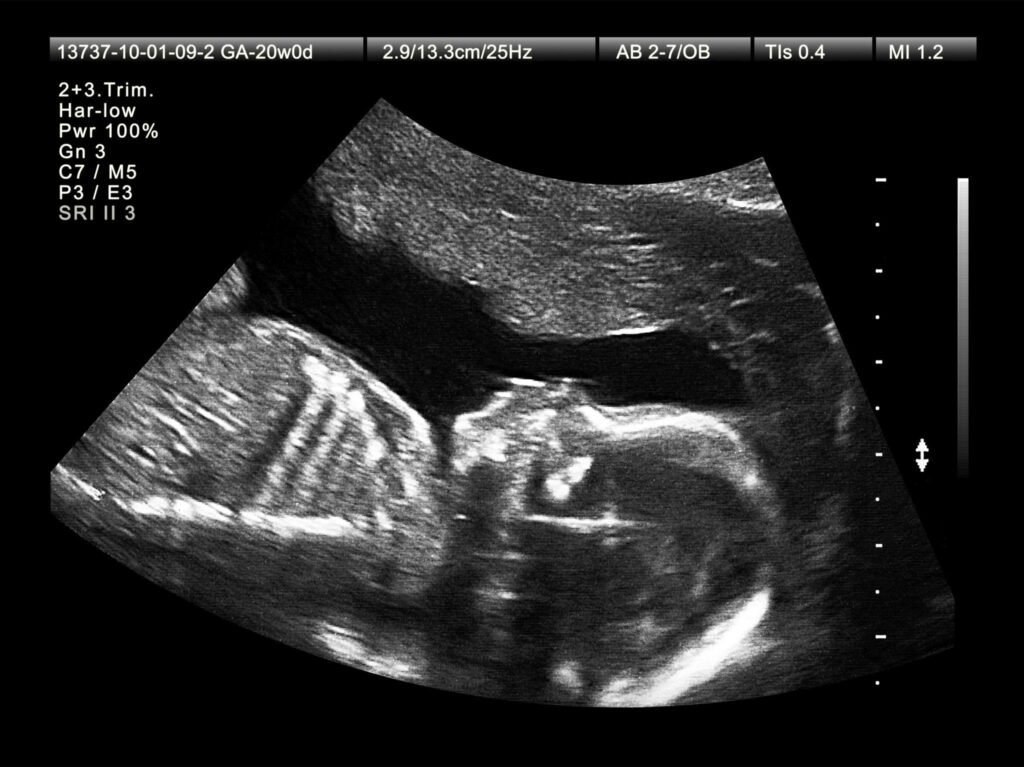
When Is a TIFFA Scan Done During Pregnancy?
The ideal time for a TIFFA Scan in Pregnancy is between 18 and 20 weeks of gestation.
In certain situations, the scan may be performed slightly earlier or later, typically between:
- 17 weeks
- 22 weeks
However, the 18–20 week period is considered optimal because most fetal organs are sufficiently developed and can be examined in detail.
How Should You Prepare for a TIFFA Scan?
Preparing for a TIFFA Scan is simple.
Please Carry:
- Doctor’s prescription
- Government-issued ID proof
- Previous pregnancy scan reports
No Special Preparation Required
Unlike early pregnancy scans, a TIFFA Scan does not require:
- Fasting
- An empty stomach
- A full urinary bladder
You can eat normally and arrive comfortably for your appointment.
Why Is the TIFFA Scan Important?
The TIFFA Scan is one of the most detailed pregnancy scans because it evaluates the baby’s anatomy from head to toe.
While earlier scans primarily confirm pregnancy and assess chromosomal risk markers, the TIFFA Scan focuses on detecting structural abnormalities that may affect the baby’s health.
Radiologists follow a detailed checklist to ensure every important organ and body structure is evaluated carefully.
This systematic approach helps reduce the chances of missing significant abnormalities.
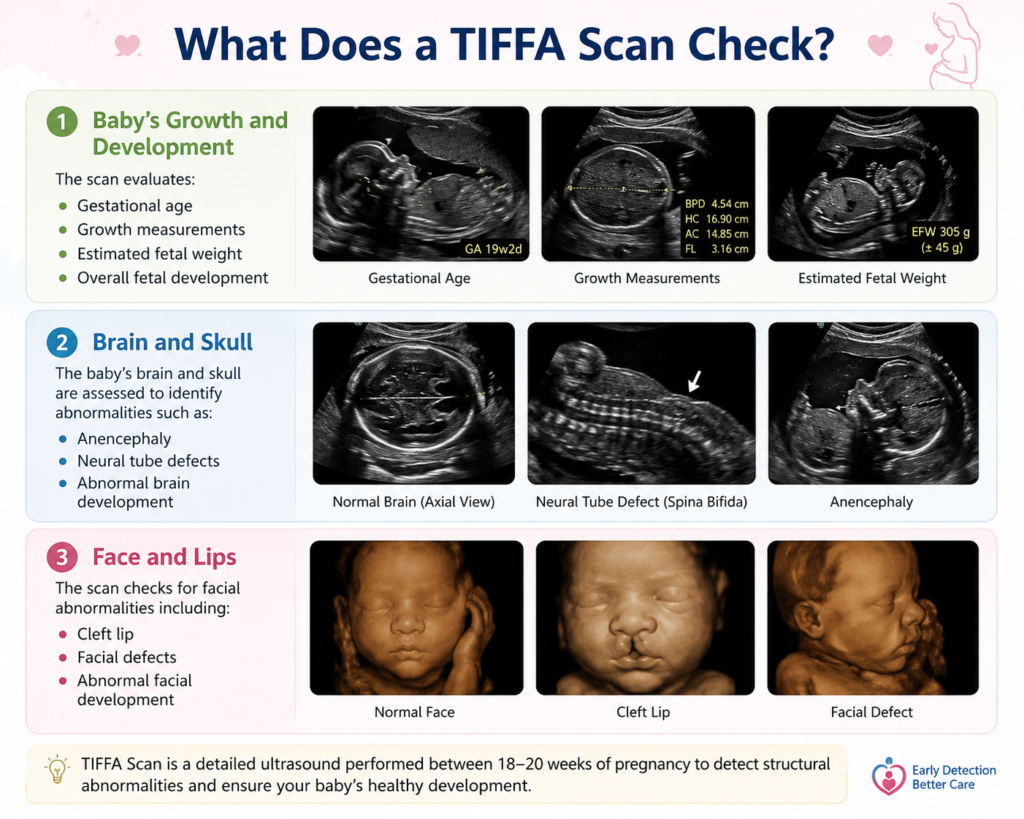
What Does a TIFFA Scan Check?
Baby’s Growth and Development
The scan evaluates:
- Gestational age
- Growth measurements
- Estimated fetal weight
- Overall fetal development
Brain and Skull
The baby’s brain and skull are assessed to identify abnormalities such as:
- Anencephaly
- Neural tube defects
- Abnormal brain development
Face and Lips
The scan checks for facial abnormalities including:
- Cleft lip
- Facial defects
- Abnormal facial development
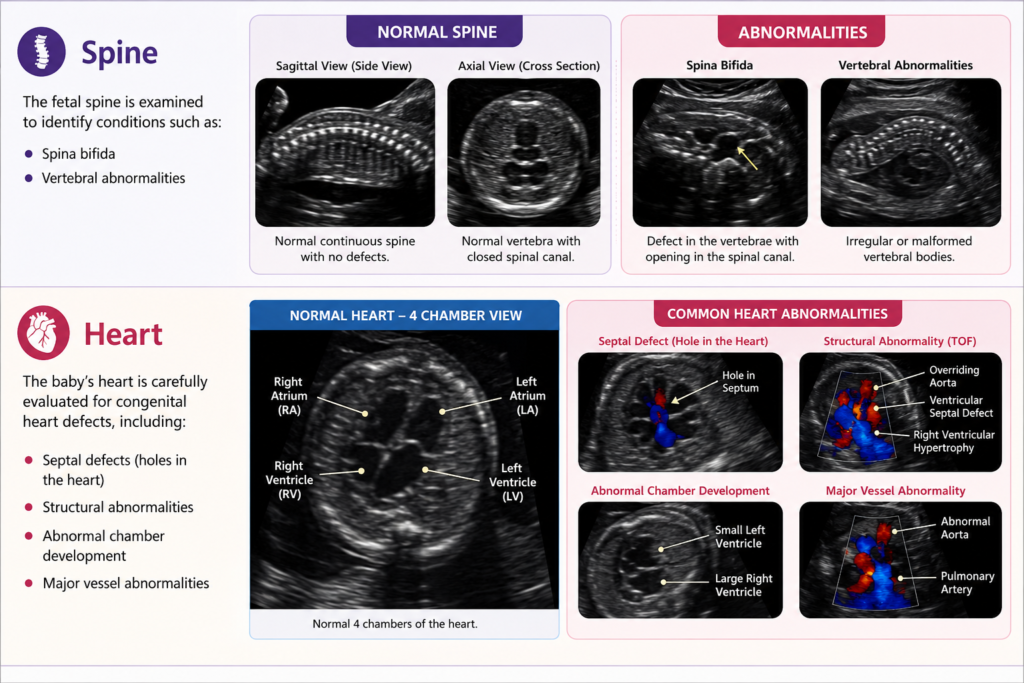
Spine
The fetal spine is examined to identify conditions such as:
- Spina bifida
- Vertebral abnormalities
Heart
The baby’s heart is carefully evaluated for congenital heart defects, including:
- Septal defects (holes in the heart)
- Structural abnormalities
- Abnormal chamber development
- Major vessel abnormalities
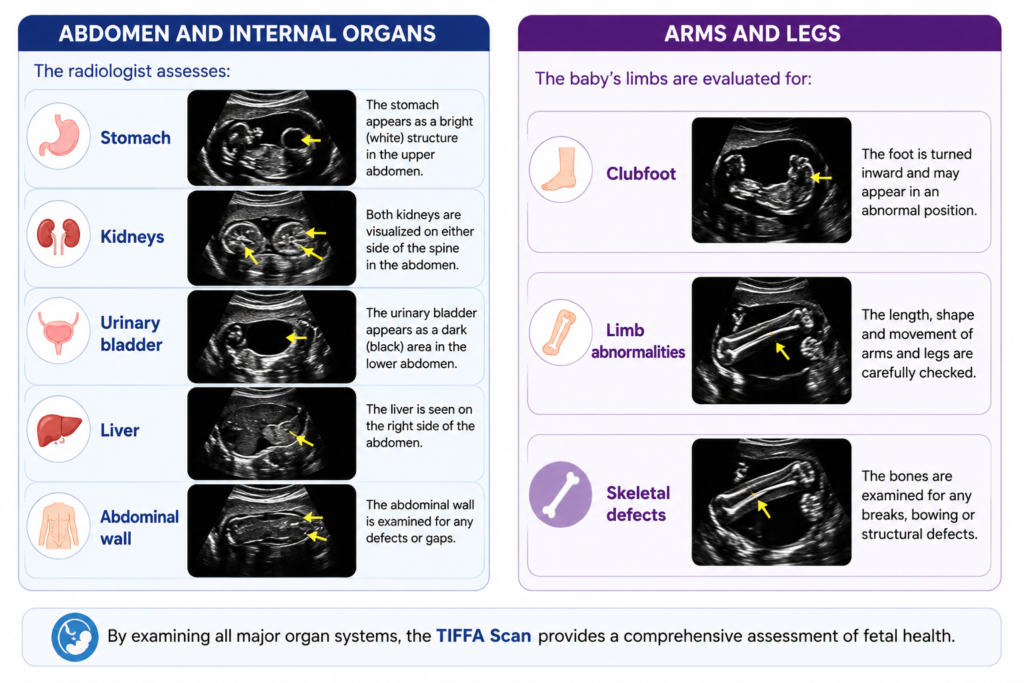
Abdomen and Internal Organs
The radiologist assesses:
- Stomach
- Kidneys
- Urinary bladder
- Liver
- Abdominal wall
Arms and Legs
The baby’s limbs are evaluated for:
- Clubfoot
- Limb abnormalities
- Skeletal defects
By examining all major organ systems, the TIFFA Scan provides a comprehensive assessment of fetal health.
Why Does the Scan Sometimes Take Longer?
Many parents are surprised when a TIFFA Scan takes longer than other pregnancy scans.
This is because certain organs can only be assessed properly when the baby is in a specific position.
For example:
- The heart may require one position for proper evaluation.
- The spine may require another position.
If the baby is not positioned ideally, the sonographer or radiologist may ask you to:
- Walk for a few minutes
- Change positions
- Wait for the baby to move
This is completely normal and helps ensure a complete examination.
Can the Baby's Weight Be Measured During a TIFFA Scan?
Yes.
Unlike the NT Scan, where fetal weight is not routinely estimated, the TIFFA Scan allows the radiologist to calculate:
- Estimated fetal weight
- Growth parameters
- Gestational age
These measurements help determine whether the baby is growing appropriately for the stage of pregnancy.
What Are Uterine Arteries and Why Are They Checked?
During the TIFFA Scan, the blood vessels supplying the uterus, known as the uterine arteries, are often evaluated.
This assessment helps identify pregnancies that may be at increased risk for:
- Pregnancy-induced hypertension
- Pre-eclampsia
- Fetal growth restriction
- Low birth weight
Early identification of these risks allows closer monitoring and better pregnancy management.
What Information Is Included in a TIFFA Scan Report?
A TIFFA Scan report typically includes:
Growth Assessment
- Gestational age
- Estimated fetal weight
- Growth measurements
Anatomical Assessment
- Brain
- Face
- Spine
- Heart
- Abdomen
- Kidneys
- Limbs
Pregnancy Risk Evaluation
- Uterine artery Doppler findings
- Risk of hypertension
- Risk of growth restriction
Additional Information
- Placental location
- Amniotic fluid assessment
- Expected delivery date (EDD)
What Happens After the TIFFA Scan?
Once the scan is completed, the report is reviewed by your obstetrician or gynecologist.
If the Report Is Normal
- Routine pregnancy care continues.
- Regular medications and supplements are continued.
- Future pregnancy scans are scheduled as required.
If an Abnormality Is Detected
Your doctor may recommend:
- Additional investigations
- Follow-up scans
- Specialist consultation
- Appropriate treatment or monitoring
Early detection often allows better planning and management of the pregnancy.
Is the TIFFA Scan Mandatory?
Among all pregnancy scans, three are considered particularly important:
1. Dating Scan
Performed soon after pregnancy confirmation to determine gestational age and expected delivery date.
2. NT Scan
Usually performed between 11 and 14 weeks to assess certain chromosomal risk markers.
3. TIFFA Scan
Performed between 18 and 20 weeks to evaluate fetal anatomy and detect structural abnormalities.
These scans form the foundation of prenatal screening and are strongly recommended for all pregnancies.
What Scan Comes After the TIFFA Scan?
After the TIFFA Scan, your doctor may recommend a Growth Scan later in pregnancy.
The timing depends on factors such as:
- Maternal blood pressure
- Gestational diabetes
- Fetal growth patterns
- High-risk pregnancy conditions
Some mothers may also require a Fetal Echo Scan, which is a specialized examination focused exclusively on the baby’s heart.
Book Your TIFFA Scan Today
A TIFFA Scan is one of the most important scans during pregnancy because it provides a detailed assessment of your baby’s development and helps identify potential concerns early.
If you are between 18 and 20 weeks pregnant, consult your doctor and schedule your TIFFA Scan at Nisarga Diagnostics for expert fetal evaluation and peace of mind throughout your pregnancy journey.

Founder of Nisarga Diagnostics, is a renowned fetal ultrasound specialist with over 20 years of expertise. An alumnus of Government Medical Colleges in Mysore and Bangalore, he also holds a D.N.B. from the National Board of Examinations, Delhi, and certification from the Fetal Medicine Foundation, London. A former Professor and HOD, he has trained countless PG students and junior radiologists, shaping the future of fetal imaging in India.